
GRAPHIC HOODIE FABRIC & PRINT QUALITY GUIDE
Written for Streetwear enthusiasts and fashion-conscious buyers looking to understand the technical specifications of high-quality hoodies to make informed purchasing decisions.
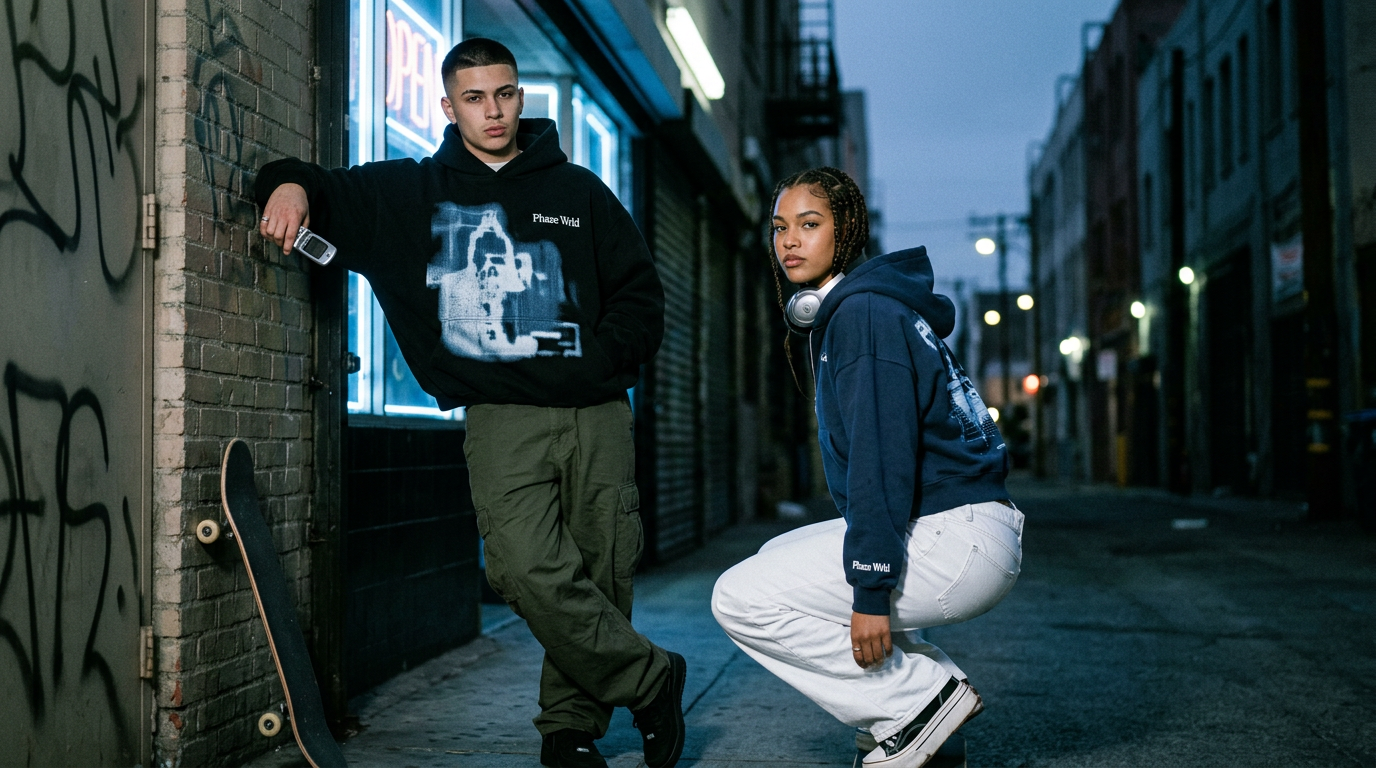
What GSM should a quality graphic hoodie have for streetwear?

The foundation of any serious streetwear piece starts with the raw materials, and a garment's base determines its entire lifespan. This is where fabric weight and GSM (grams per square meter) come into play as the ultimate measures of textile quality. When choosing premium garments, opting for a 450 GSM heavyweight fabric means investing in a dense, structured material that holds its shape and provides that coveted, modern boxy fit. Lightweight fleece might be fine for basic activewear, but it lacks the architectural drape and volume required for high-end street fashion.
A proper heavyweight cotton fleece acts like armor for the wearer. It resists wind, retains warmth, and provides a stable, smooth face that is ideal for complex graphics. The denser the knit of the streetwear fabric, the less the garment will warp, stretch, or sag out of proportion over time. You want a garment that feels substantial and reassuringly heavy in your hands before you even put it on. This structural integrity is what separates a premium piece from a basic blank. When you invest in high-GSM cotton for your streetwear brand, you are prioritizing longevity and shape retention, ensuring your streetwear silhouette and coordinating headwear remain crisp and intentional through countless wears.
Premium cotton fleece ensures superior print quality and shape retention

A heavy blank is only half the equation; the graphic application is what gives a streetwear piece its soul and visual identity. The anatomy of premium print quality comes down to the microscopic interaction between the ink chemistry and the textile face. A smooth, tightly knit 100% cotton face provides the ultimate canvas, allowing pigments to sit flat and bond deeply with the underlying fibers. If you check out our streetwear fabric guide, you will see how different fiber blends react to various decoration methods, from traditional screen printing to advanced direct-to-garment (DTG) techniques.
We look for high opacity, sharp edge definition, and a soft hand feel that doesn't compromise the comfort of the garment. You do not want a graphic that feels like a thick, rubbery plastic sticker sitting stiffly on top of your chest, as this is a guaranteed recipe for peeling and cracking. Instead, premium prints integrate seamlessly with the cotton fleece, moving and flexing naturally with the drape of the heavy fabric. Caps and Sweatpants must meet these same strict standards. Achieving this level of excellence requires precise curing temperatures and high-grade plastisol or water-based inks that can withstand the rigors of daily wear and machine washes without losing their original vibrancy.
How fiber blends affect print quality: 100% cotton vs. cotton-poly mixes
Fiber composition directly dictates the ink absorption and print opacity of graphic hoodies. 100% ring-spun cotton provides the optimal surface for direct-to-garment (DTG) and screen printing. Natural cotton fibers absorb water-based inks deeply, resulting in vibrant colors and high print opacity. Synthetic polyester fibers in cotton-poly mixes do not absorb standard textile inks. An 80/20 cotton-poly blend balances printability with fabric durability and wrinkle resistance. However, polyester fibers trigger dye migration, where garment dyes bleed into white or light-colored inks during the curing process. Printers must use low-bleed inks and polyester blockers to prevent this discoloration on blended fabrics. Three-end fleece construction features a face yarn of 100% cotton, a middle tie yarn, and a polyester back yarn. This three-layer structure ensures that the printing surface remains entirely cotton while the interior of the hoodie retains loft and warmth. Using 3-end fleece prevents dye migration on the face of the garment while maintaining the structural benefits of a polyester blend. This fabric choice allows streetwear brands like T-Shirts Worldwide to achieve high-definition graphics through advanced print techniques without sacrificing the soft hand-feel of the interior fleece. Plastisol inks sit on top of the cotton fibers, whereas water-based inks sink into the weave to create a soft-hand feel. Understanding these fiber dynamics ensures that graphic designs remain sharp, opaque, and free from discoloration over time.
Does screen printing last longer than DTG on graphic hoodies?
When you are looking to buy graphic hoodies, understanding the difference between screen printing and Direct-to-Garment (DTG) is crucial. Screen printing is the traditional heavyweight champion of streetwear. It pushes thick layers of plastisol or water-based ink through a mesh stencil, resulting in incredibly durable, vibrant graphics that can last for decades if cured correctly. It is ideal for bold, solid colors and high-contrast designs. DTG, on the other hand, operates like a high-tech inkjet printer for apparel. It is perfect for hyper-detailed, photorealistic images with complex color gradients. While DTG has improved massively in durability, a heavy-handed screen print on our heavyweight boxy hoodies made of dense cotton fleece still holds the crown for that classic, tactile streetwear feel. Our Ecommerce partners, including Titan Media, agree that both methods have their place, but knowing which technique was used helps you understand how the garment will age and fade over time.
Double-stitched seams and boxy fit define premium construction
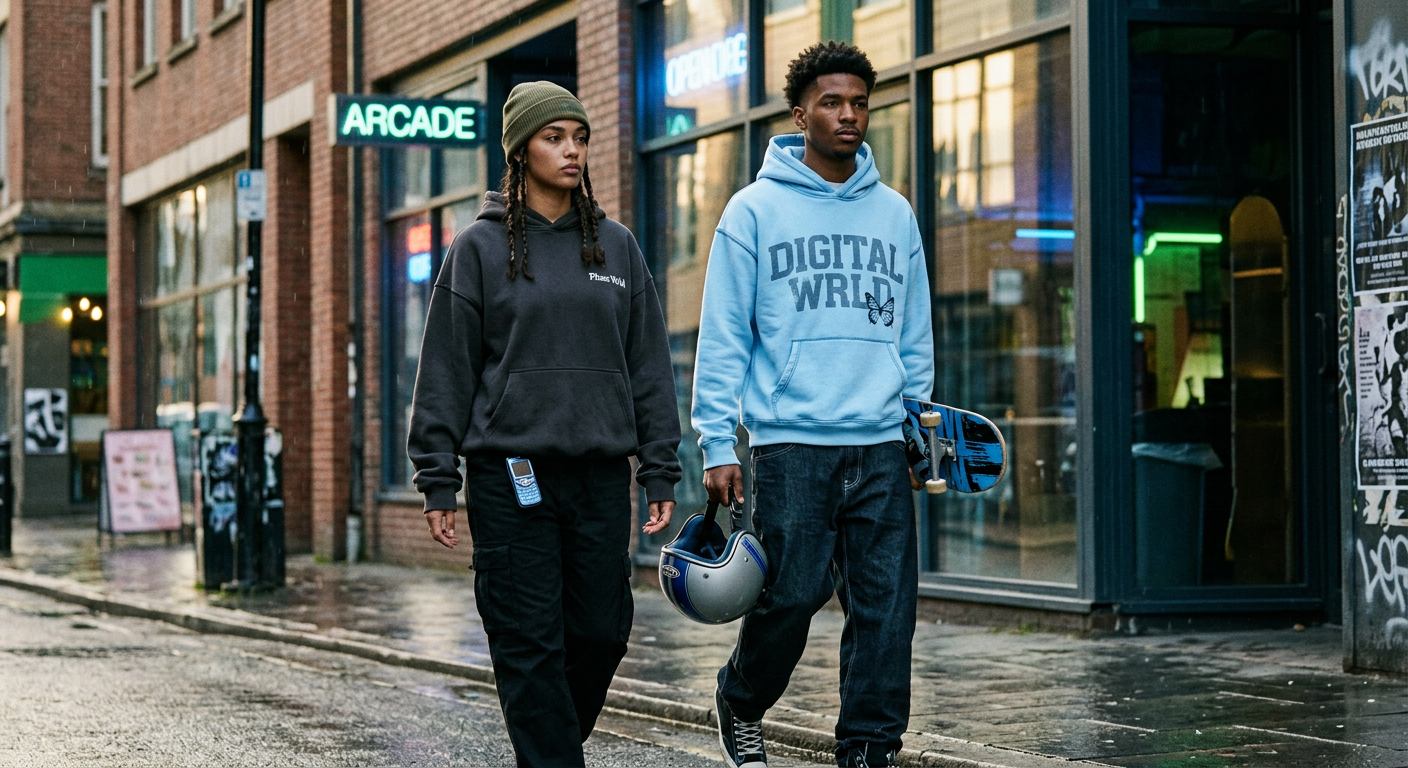
Beyond the print and the fabric weight, the ultimate test of a garment's value lies in its structural engineering. Construction details are what separate a graphic hoodie that lasts one season from one that becomes a permanent wardrobe staple. High-quality construction begins with double-stitched seams at critical high-stress points like the shoulders, armholes, and cuffs. These reinforced seams prevent unraveling and ensure the garment can withstand daily stretching and pulling.
Furthermore, a premium piece will feature a double-layered, structured hood that stands up on its own to frame the face, rather than flopping lifelessly against your back. The ribbing at the cuffs and hem must contain high-quality elastane blends for superior shape retention, snapping back into place rather than stretching out into a wavy, worn-out mess. When you are ready to buy graphic hoodies, t-shirts, and other products, these are the silent design elements you are paying for. Every stitch should reinforce the clean drape of the fabric, ensuring the piece maintains its aggressive proportions and premium feel no matter how hard you wear it.
How to inspect graphic hoodies for print cracking and fabric shrinkage
Spotting a hoodie built for the long haul requires a trained eye. You need to look past the hype and evaluate the raw physical properties of the garment. Start with the touch test: does the fabric feel dense and substantial, or thin and flimsy? Check the interior—a premium brushed fleece should feel soft but not prone to excessive shedding. Next, examine the print closely. Gently stretch the printed area; a high-quality cure will flex slightly with the fabric, while a cheap print will immediately show micro-cracks. Consider the overall fit and how it drapes on the body. If you are debating a graphic hoodie vs plain hoodie, remember that the graphic draws attention, making any flaws in the fit or fabric even more obvious. Here is a quick reality check for any streetwear fan: a top-tier hoodie will have a low shrinkage rate, meaning it won't turn into a crop top after its first trip through the dryer. By focusing on GSM, print integration, and structural stitching, you can easily separate the authentic streetwear staples from the cheap imitations.
Frequently asked questions
What should I look for in a good graphic hoodie?
What fabric is best for a graphic hoodie print?
Is cotton or polyester better for hoodie printing?
What hoodie material makes prints last longer?
How do I tell if a hoodie print is high quality?
Does screen printing last longer than heat transfer on hoodies?
Which print method is best for graphic hoodies?
What GSM should a quality graphic hoodie have?
Are heavyweight hoodies better for graphic prints?
How can I tell if a graphic hoodie will crack or peel?
Do graphic hoodies shrink after washing?
How should I wash a graphic hoodie to protect the print?
Can you put a graphic hoodie in the dryer?
Should I turn a graphic hoodie inside out before washing?
Why do some hoodie prints feel stiff or plasticky?
Is a cotton-poly blend good for hoodie printing?
What is the difference between DTG, screen printing, and DTF on hoodies?
What is the best hoodie for long-lasting graphic designs?
Discover more from Phaze Wrld
Hand-picked guides and drops, delivered occasionally.
Explore the collection