

TL;DR:
- Graphic tee culture transforms T-shirts into wearable art and social signals that define generations.
- In 2026, the trend emphasizes personal storytelling, authenticity, and nuanced graphics over logos and slogans.
Graphic tee culture is the practice of using T-shirts with printed graphics as a dynamic, meaningful form of self-expression and cultural signaling. Far beyond casual wear, the graphic T-shirt functions as wearable art, a social badge, and a living archive of the moments, movements, and identities that define each generation. From 1960s counterculture to 2026’s streetwear resurgence, graphic tee culture explained through its full arc reveals one of fashion’s most democratic and enduring languages. Brands like Supreme, Stüssy, and Phazewrld have each built entire identities around this single garment, proving its power goes well beyond cotton and ink.
How did graphic tee culture originate and evolve?
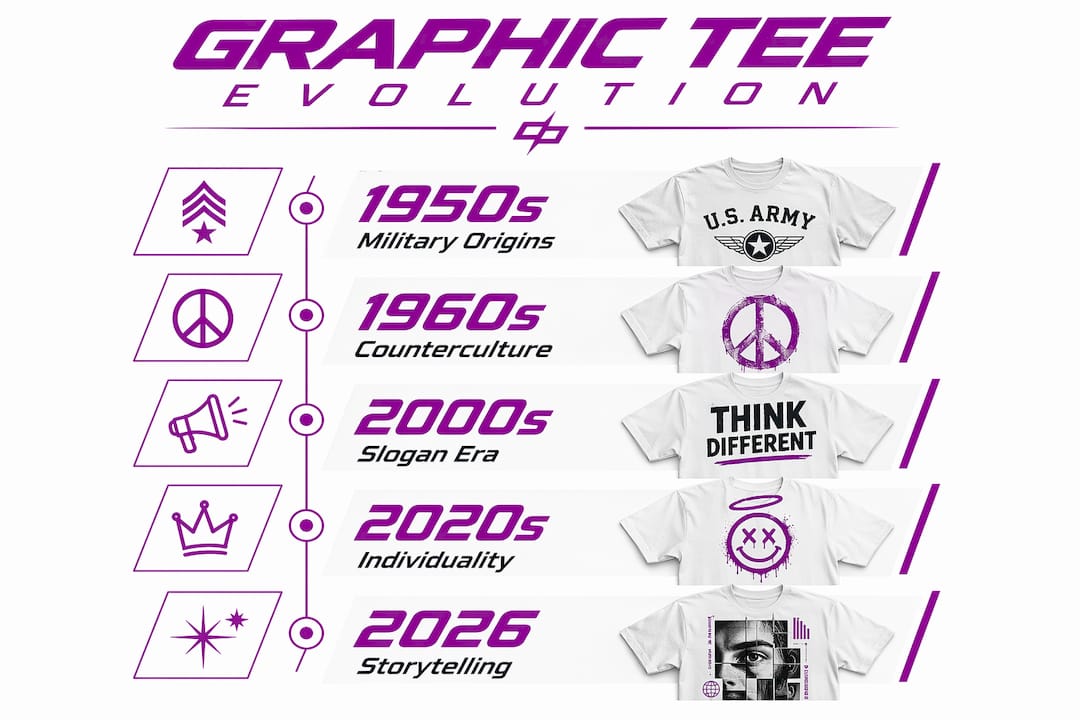
The graphic T-shirt’s story begins not on a runway but in a military supply depot. Printed tees emerged as promotional and military apparel in the mid-20th century, used primarily for unit identification and brand advertising. The garment was purely functional. Then the 1960s changed everything.
The psychedelic and counterculture movement of the 1960s transformed the T-shirt into a protest poster you could wear. Artists and activists screen-printed anti-war slogans, peace symbols, and surreal imagery directly onto white cotton, turning a blank canvas into a political statement. Screen printing matured rapidly during this period, and with it came the realization that a T-shirt could carry a message as powerfully as any pamphlet.
The 1970s and 1980s escalated that idea through music. Band merchandise rose as concert-goers bought tees to signal their allegiance to artists like The Rolling Stones, Black Sabbath, and later Run-DMC. Wearing a band tee was not just a souvenir purchase. It was a declaration of taste, tribe, and identity. The graphic tee became the most affordable status symbol in youth culture.
The 1990s brought the next major shift. Skate crews, graffiti artists, and underground designers in cities like Los Angeles and New York began using graphic tees as the core language of what would become streetwear. Labels like Futura and early Supreme drops treated tees as limited-edition art objects. The scarcity model made the graphic tee collectible, not just wearable.
“The graphic tee is the only garment in history that has served simultaneously as protest sign, concert ticket stub, and collector’s item.” This compression of meaning into a single object explains why the format has never gone out of style.
The early 2000s introduced slogan tees with a more commercial, often ironic tone. Brands like Abercrombie and Von Dutch pushed logo-heavy and phrase-driven designs into the mainstream. That era eventually triggered a backlash, pushing consumers back toward authenticity and niche cultural references. That cycle of saturation and revival is now a defining rhythm of the history of graphic tees.
What does a graphic tee actually signal about you?
Graphic tees function as low-cost tribal signals, broadcasting fandom, beliefs, humor, or taste to like-minded strangers without a single word spoken. This is the core psychological mechanism behind graphic tee culture. The shirt does the talking before you do.
The social filtering effect is real and intentional. A vintage Joy Division tee in a coffee shop attracts a very specific type of conversation. A tee referencing an obscure anime series does the same. Graphic tees act as social filters, helping wearers attract desired attention and quietly signal who they are not interested in connecting with. This is why niche and obscure graphics carry more social currency than mass-market logos in most youth subcultures.
- Fandom signals: Music, film, sports, and gaming graphics communicate deep cultural affiliations.
- Political and social awareness: Slogan tees have historically marked wearers as aligned with specific movements.
- Humor and irony: Absurdist or meme-driven graphics signal a particular kind of wit and cultural fluency.
- Aesthetic identity: Art-driven or abstract graphics position the wearer as design-conscious and visually literate.
- Nostalgia: Vintage-style graphics communicate a relationship with a specific era or cultural moment.
The contrast between mass-market and niche graphics is worth understanding. A tee from a fast-fashion retailer with a generic rock band logo reads differently than a tee from an independent label with a hand-drawn graphic referencing a specific subculture. Consumers increasingly prefer pieces with human touch and cultural texture over generic, mass-produced designs. Authenticity is the currency.
“The most powerful graphic tees are the ones that require context to understand. If everyone gets it immediately, it has already lost half its social value.”
Pro Tip: If you want your graphic tee to function as a genuine identity signal rather than background noise, choose graphics tied to something you actually know deeply. Wearing a tee referencing a film, artist, or movement you can speak about creates real connection. Wearing it as decoration creates nothing.
How have graphic tee trends shifted heading into 2026?
The early 2000s slogan tee era was defined by bold, often oversized text and logo-forward branding. The aesthetic was loud, the messaging was blunt, and the goal was visibility over nuance. That approach dominated until roughly 2010, when minimalism pushed graphic tees to the margins of high fashion. What has happened since is a full reversal.
| Era | Dominant Style | Cultural Driver |
|---|---|---|
| 1970s to 1980s | Band and concert merch | Music subcultures |
| 1990s | Skate and street graphics | Underground streetwear |
| Early 2000s | Slogan and logo tees | Mainstream commercialization |
| 2010s | Minimalism, subtle branding | High fashion influence |
| 2026 | Nuanced storytelling graphics | Individuality and nostalgia revival |
In 2026, graphic tees are making a comeback built on individuality and personal storytelling rather than logo repetition or throwaway slogans. Fashion media points to a broader cultural shift away from uniformity toward personality-driven dressing. The graphic tee sits at the center of that shift because it communicates personality faster than any other garment.
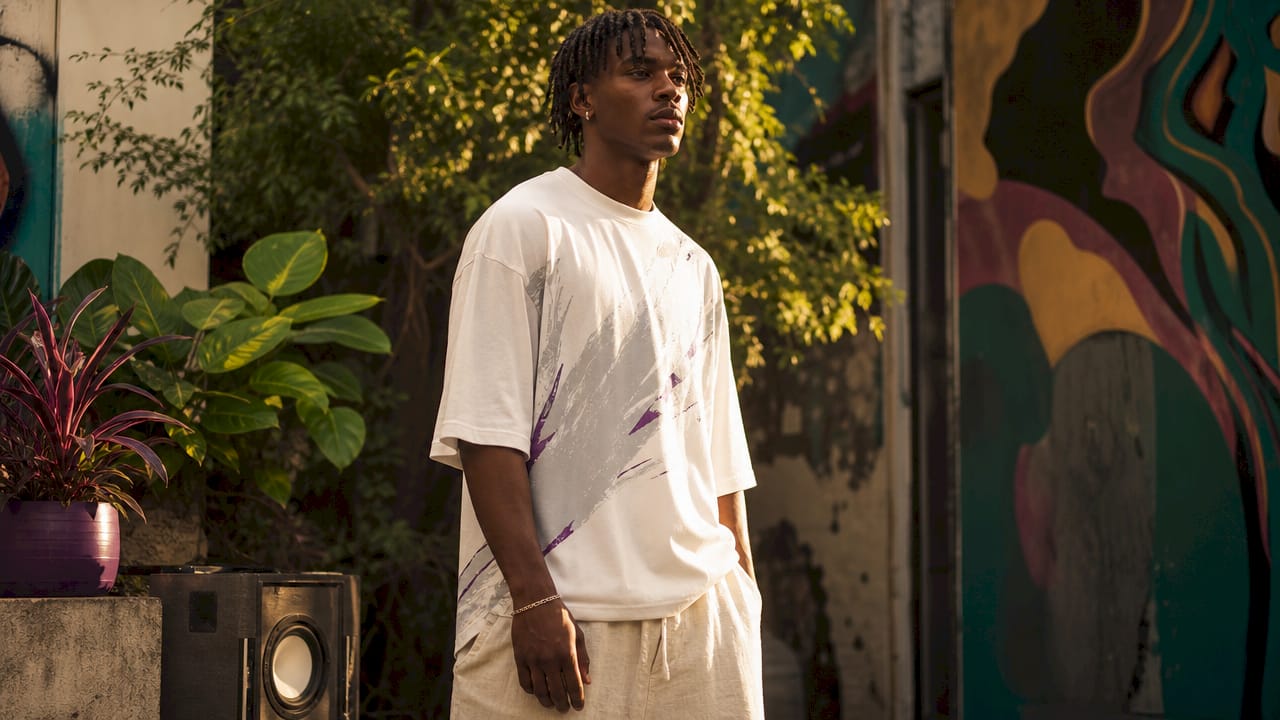
Styling has also matured significantly. Mixing graphic tees with tailored pieces and luxury accessories is now a standard move in both street style photography and runway presentations. Tucking a graphic tee into wide-leg trousers, layering it under a structured blazer, or pairing it with a leather trench coat are all legitimate 2026 styling choices. The tee is no longer confined to jeans and sneakers.
Silhouettes have shifted toward the relaxed and oversized. Wide-leg pants, cargo trousers, and relaxed-fit denim all complement the current preference for oversized tees with dropped shoulders. This silhouette echoes 1990s proportions while incorporating contemporary fabric weights and construction. The Y2K aesthetic revival, visible in collections across independent labels and nostalgia-driven designs, has brought back bold color blocking and early internet-era graphics with a modern finish.
Print technology has also advanced in ways that directly affect how a graphic tee ages and feels. Plastisol inks create vibrant, textured prints while water-based inks integrate more deeply with the fabric, producing a softer hand feel and a more natural aging process. Collectors and serious buyers pay attention to this distinction. A water-based print that cracks and fades over years develops a patina that plastisol cannot replicate. Understanding print technique is now part of graphic tee literacy for anyone serious about the culture.
What styles, brands, and graphics define the scene today?
The contemporary graphic tee scene is defined by a tension between mass-market accessibility and niche authenticity. On one end, global brands like Dior and Fendi have incorporated political statements and urban cultural commentary into their collections, legitimizing the graphic tee at the highest levels of fashion. On the other end, independent labels and streetwear brands are doing the most culturally interesting work.
The graphic themes dominating 2026 include:
- Music iconography: Vintage-style concert graphics, artist portraits, and record label references remain perennial favorites.
- Street art and graffiti: Urban visual language translated onto fabric, connecting street art and apparel graphics in ways that feel authentic to city culture.
- Political and social slogans: Designs that reflect current cultural moods, from environmental messaging to social justice references.
- Abstract and art-driven graphics: Influenced by fine art, illustration, and digital design, these tees appeal to visually literate consumers.
- Nostalgia-coded imagery: 80s, 90s, and Y2K references that communicate generational identity and cultural memory.
Celebrity styling has amplified several of these themes. When artists like Tyler, the Creator or Billie Eilish wear a specific graphic tee in a music video or on a red carpet, that design enters mainstream consciousness within hours. The speed of social media means graphic tee trends now move faster than any previous era in the history of graphic tees.
Independent and niche labels are where the most authentic storytelling happens. These brands treat each graphic as a deliberate cultural statement rather than a product decision. The result is tees that function as conversation pieces, not just clothing. Phazewrld operates in this space, building collections around street credibility and individual expression rather than trend-chasing.
Pro Tip: When building a graphic tee collection, mix one or two statement pieces from independent labels with more versatile basics. The statement pieces carry the cultural weight; the basics give you styling flexibility. You can explore graphic tee styling ideas to see how both types work together in real outfits.
Key takeaways
Graphic tee culture is a multi-decade system of identity signaling, wearable art, and social communication that has only grown more sophisticated as fashion and technology have evolved.
| Point | Details |
|---|---|
| Origins in function, not fashion | Graphic tees began as military and promotional apparel before the 1960s counterculture made them expressive. |
| Social signaling is the core mechanism | Tees broadcast tribal identity, fandom, and beliefs to strangers before a word is spoken. |
| 2026 marks a nuanced revival | The current resurgence favors personal storytelling and individuality over logos and generic slogans. |
| Print technique affects cultural value | Water-based inks age naturally, making them more collectible than plastisol for serious buyers. |
| Styling has matured significantly | Graphic tees now pair with tailored and luxury pieces, not just jeans and sneakers. |
Why graphic tee culture will never actually die
Most fashion trends are cyclical. Graphic tee culture is not a trend. It is a format, and formats do not die. They evolve.
What I find most interesting about graphic tee culture in 2026 is that it has survived every attempt to kill it. Minimalism tried. High fashion gatekeeping tried. Fast fashion dilution tried. Each time, the culture absorbed the pressure and came back with a sharper sense of what it actually is. That resilience comes from the fact that the graphic tee solves a real human problem: how do you communicate who you are to strangers quickly, cheaply, and without saying a word?
The authenticity question is the one I think about most. There is a real difference between wearing a graphic because you understand its reference and wearing one because it looked cool in a thumbnail. The culture can tell the difference, even if the algorithm cannot. The most powerful graphic tees I have seen are worn by people who could give you a ten-minute conversation about why they chose that specific image. That depth is what separates a cultural artifact from a product.
Looking forward, two forces will shape the next chapter. Digital culture is already producing graphics born entirely online, from meme formats to AI-generated imagery, and some of those will find their way onto fabric in ways that feel genuinely new. Sustainability pressure will push more brands toward water-based inks and organic cotton, which actually improves the product. A tee that ages beautifully and carries a real story is worth more than one that fades into irrelevance after six washes.
The graphic tee is democratic fashion at its best. You do not need a large budget or a stylist to participate. You need a point of view.
— Phazewrld
Build your graphic tee collection with Phazewrld
Phazewrld was built for exactly the kind of person this article is written for. Someone who understands that a graphic tee is not just a shirt. It is a statement, a reference, and a piece of culture you carry with you.
The Phazewrld collections cover both men’s streetwear and women’s streetwear, with graphic tees designed to work across the styling approaches covered in this article. Whether you are building around oversized silhouettes, mixing with tailored pieces, or hunting for a statement tee that carries real cultural weight, the streetwear T-shirt collection has options built for the culture, not just the market. Free shipping over $99, easy returns, and price matching make it straightforward to experiment and find what actually fits your identity.
FAQ
What is graphic tee culture?
Graphic tee culture is the practice of using printed T-shirts as a form of personal and cultural expression, functioning as social signals, wearable art, and identity markers within youth and streetwear communities.
When did graphic tees become a cultural phenomenon?
Graphic tees became culturally significant in the 1960s through the counterculture movement, then expanded through band merchandise in the 1970s and 1980s and streetwear adoption in the 1990s.
Why do graphic tees carry social meaning?
Graphic tees act as tribal signals that communicate fandom, beliefs, humor, and cultural references to others, helping wearers find social belonging or mark their identity without verbal communication.
What graphic tee trends are dominant in 2026?
The 2026 resurgence favors nuanced, storytelling-driven graphics over generic logos, with styling that mixes tees alongside tailored pieces, luxury accessories, and relaxed silhouettes like wide-leg trousers.
Does print technique affect a graphic tee’s value?
Print technique directly affects durability, feel, and collectibility. Water-based inks integrate with fabric and age naturally, while plastisol inks create vibrant but textured prints that do not develop the same patina over time.