

TL;DR:
- Not all streetwear collaborations are equally impactful; understanding their different types helps evaluate authenticity and cultural value. Authentic collaborations are characterized by design originality, storytelling, and genuine cultural fit, rather than superficial logo swaps. These partnerships, whether designer, artist, community, or brand collaborations, build long-term influence by prioritizing quality, meaning, and community connection over hype.
Streetwear collaborations are some of the most anticipated drops in fashion, but not all of them are worth the hype. The types of streetwear collaborations you encounter vary wildly in scale, creative depth, and cultural staying power. Some partnerships produce pieces that define a generation. Others are little more than a logo swap dressed up with a countdown timer. Knowing the difference before you buy, or before you decide what to follow, changes how you experience the culture entirely. This guide breaks down every major collaboration type with real examples, honest criteria, and a framework you can actually use.
Table of Contents
- Criteria for evaluating streetwear collaborations
- Designer x streetwear collaborations: craft meets community
- Brand x artist collaborations: cultures merge through art
- Local and community capsules: roots over reach
- Comparing streetwear collaboration types: key differences and audiences
- Iconic streetwear collaborations that set the standard
- Rethinking streetwear collaborations: more than just hype
- Explore exclusive streetwear collections at PhazeWrld
- Frequently asked questions
Key Takeaways
| Point | Details |
|---|---|
| Know collaboration types | Understanding the five main streetwear collaboration categories helps identify authenticity and cultural value. |
| Look for original design | Authentic collaborations go beyond logos with meaningful design and storytelling. |
| Consider scale and audience | Collaboration size, price, and marketing channel vary by type and target different fans. |
| Iconic collabs set benchmarks | Examples like Gucci x Dapper Dan show the power of authentic cultural partnerships. |
| Sustained value needs synergy | Long-term success requires genuine creative alignment and fair distribution. |
Criteria for evaluating streetwear collaborations
Before you can appreciate the different types of fashion collaborations in streetwear, you need a filter. Not every drop deserves your attention or your money, and the market is crowded enough that you need to be selective.
The best collaborations share a few qualities that separate them from cash grabs. Authentic collaborations feel like shared ideas rather than mere logo swaps and have clear points of view. That distinction matters more than most people realize. When two brands or creatives come together with a genuine concept, the product reflects it. When they don’t, you end up with a $400 hoodie that looks like it was designed in a committee meeting.
Here is what to look for when sizing up any streetwear brand collaboration:
- Design originality: Does the piece look like it could only exist from this specific partnership, or could either brand have made it alone?
- Storytelling: Is there a narrative behind the drop that connects to real culture, history, or community?
- Drop mechanics: Fair raffles, transparent release info, and accessible entry points signal that a brand respects its audience. Artificial scarcity designed purely to inflate resale is a different story.
- Wearability: A piece that only works as a shelf display has limited cultural reach. The most influential collaborative streetwear brands make things people actually wear.
- Cultural fit: Do the two parties share overlapping values, or does the partnership feel forced for exposure?
Understanding how online streetwear brands work can also sharpen your eye for which collaborations are built on real brand identity versus which ones are chasing relevance. Collectors who follow authentic vintage band tees apply a similar logic: provenance and intent matter as much as aesthetics.
Pro Tip: Before buying into a collab drop, look up whether the two parties have any shared history, creative overlap, or community ties. If you can’t find a reason the partnership makes sense beyond marketing, that’s your answer.
Designer x streetwear collaborations: craft meets community
This is the collaboration type that gets the most editorial coverage and commands the highest prices. Designer x streetwear partnerships bring runway-level construction and materials into street culture, producing pieces that sit at the intersection of collectible art and daily wear.
These collabs typically target fashion-forward collectors and command premium pricing, often 200 to 2,000 units priced between $300 and $2,000 or more. The limited run is part of the appeal, but the craftsmanship is what justifies the price tag when the collaboration is done right.
What makes this type work:
- Elevated materials: Luxury houses bring fabrics, construction techniques, and finishing details that most streetwear brands don’t use at scale.
- Cultural translation: The best designer x streetwear collabs don’t just apply a luxury logo to a hoodie. They reinterpret street silhouettes through a high-fashion lens.
- Marketing approach: These drops lean heavily on editorial photography, short-form video content, and fashion week placement to build narrative before the release.
- Collector appeal: The price point and limited availability make these pieces long-term investments for serious collectors.
Gucci’s ventures into streetwear territory are the most cited examples in this category, but the model applies across the board. Explore men’s streetwear styles to see how designer influences filter down into accessible everyday pieces that carry the same energy without the five-figure price tag.
Brand x artist collaborations: cultures merge through art
If designer x streetwear is about prestige, brand x artist collaborations are about meaning. This type treats the product as a canvas, with the artist’s visual language taking center stage. The brand provides the platform and the infrastructure; the artist provides the soul.
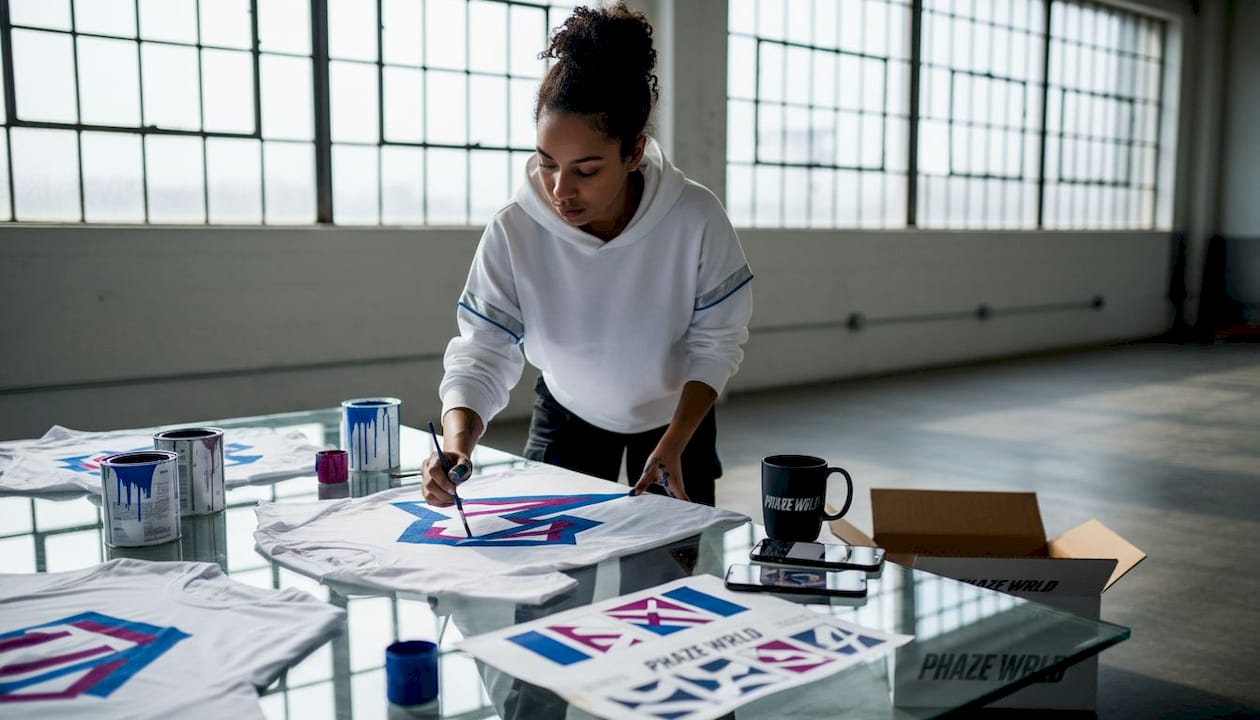
Brand x artist collabs focus on story, limited prints, and collectible packaging, often 250 to 3,000 units priced between $80 and $800. The range is wide because the artist’s profile and the brand’s reach determine the ceiling.
The G-SHOCK x Joshua Vides collaboration is one of the clearest illustrations of how deep this type can go. The partnership took nearly two years to develop, reflecting the kind of creative commitment that produces something genuinely cohesive rather than rushed. Vides’s black-and-white illustration style translated directly onto the watch face and packaging, making the product inseparable from the artist’s identity.
What defines strong brand x artist collaborations:
- Visual consistency: The artist’s signature style should be unmistakable across every touchpoint, from the product itself to the box it ships in.
- Narrative depth: The best drops come with context. A lookbook, a short film, or even a written statement from the artist adds dimension.
- Exclusivity with purpose: Limited runs in this category feel earned because the art itself is the reason for scarcity, not manufactured hype.
- Community crossover: Artist collabs often pull in audiences who don’t normally follow streetwear, expanding the culture rather than just recycling it.
Collectors who value rarity in band shirt collector value will recognize the same logic at work here. Scarcity means more when the object itself carries artistic weight.
Pro Tip: Follow the artist’s personal channels, not just the brand’s, when a collab drops. Artists often share behind-the-scenes content and context that makes the piece more meaningful and helps you verify authenticity.
Browse streetwear caps and headwear for pieces that carry strong graphic identity, a quality that traces directly back to the artist collaboration tradition.
Local and community capsules: roots over reach
Not every influential collaboration happens at the global scale. Local and community capsule drops are often the most culturally honest type in streetwear, built on trust rather than reach and designed for a specific audience rather than everyone at once.
Local and community capsule collaborations typically run 50 to 500 units priced between $30 and $400, focusing on authenticity and community trust above all else. The small numbers are a feature, not a limitation. They signal that the drop was made for a real community, not a market segment.
What sets this type apart:
- Geographic or cultural specificity: These collabs reference a neighborhood, a subculture, or a shared experience that outsiders might not fully decode. That specificity is the point.
- Sustainable and experimental materials: Smaller runs allow for production choices that larger brands can’t justify at scale, including deadstock fabrics, hand-finishing, and unconventional construction.
- IRL marketing: Community events, pop-ups, and local retail exclusives drive these drops. Social media is secondary to physical presence.
- Grassroots credibility: When a local brand collaborates with a local artist or community organization, the trust built is genuine because both parties are accountable to the same people.
Learning how to network at streetwear community events is one of the best ways to get early access to this type of collaboration. These drops rarely announce themselves loudly, and being present in the right spaces is often the only way in.
Comparing streetwear collaboration types: key differences and audiences
To help you navigate the landscape quickly, here is a side-by-side breakdown of the five main collaboration types. Different collab types match different audiences and marketing channels, from editorial video for designer collabs to IRL events for community capsules.
| Collaboration type | Typical units | Price range | Primary audience | Main marketing channel |
|---|---|---|---|---|
| Designer x streetwear | 200 to 2,000 | $300 to $2,000+ | Fashion collectors | Editorial, fashion week |
| Brand x artist | 250 to 3,000 | $80 to $800 | Art and design fans | Short-form video, galleries |
| Musician / culture collab | 500 to 5,000 | $60 to $500 | Music and fan communities | Social media, multimedia |
| Local / community capsule | 50 to 500 | $30 to $400 | Niche local audiences | IRL events, word of mouth |
| Luxury x streetwear | 100 to 1,000 | $500 to $5,000+ | High-net-worth collectors | Luxury editorial, auction |
A few patterns worth noting:
- Quantity inversely correlates with price across most types, but community capsules break that rule by keeping prices accessible despite small runs.
- Marketing channel reflects audience trust. Luxury collabs need editorial validation. Community capsules don’t need it and would actually lose credibility from it.
- Musician collabs occupy a unique middle ground, reaching the widest general audience while still carrying subcultural weight through the artist’s fanbase.
Check out the streetwear t-shirts collection to see how graphic-driven design, a hallmark of brand x artist and musician collabs, translates into everyday wear.
Iconic streetwear collaborations that set the standard
Knowing the types is one thing. Seeing them in action through real examples makes the framework click. Here are the collaborations that define what best streetwear partnerships look like in practice.
- Gucci x Dapper Dan brought decades of cultural history into a formal partnership. Dapper Dan had been remixing luxury logos for Harlem’s hip-hop community since the 1980s without authorization. Gucci’s decision to collaborate with him rather than litigate against him was one of the most culturally intelligent moves in luxury streetwear history.
- Gucci x The North Face merged runway luxury with functional outdoor wear, producing pieces that worked in both contexts without compromising either. The collab demonstrated that influential streetwear partnerships don’t require both parties to occupy the same cultural space.
- Gucci x Adidas broke design norms by placing two of the most recognizable logos in fashion on the same product, creating something that felt genuinely new rather than additive.
- G-SHOCK x Joshua Vides showed the art-brand model at its most committed, with a two-year development timeline producing a product where the artist’s vision was fully realized rather than adapted.
- Anti Social Social Club x Mastermind JAPAN is the clearest example of a niche-to-niche collaboration done right. Both brands share an aesthetic rooted in dark, minimal design and a fanbase that values exclusivity over mainstream recognition.
“The most memorable collaborations don’t just combine two brands. They create something that neither could have made alone, and that’s obvious the moment you see it.”
For deeper context on how these streetwear collaboration insights connect to brand-building strategy, it’s worth understanding the business logic that makes these partnerships possible in the first place.
Rethinking streetwear collaborations: more than just hype
Here is the uncomfortable truth about popular streetwear collaborations: hype is the enemy of good judgment. The culture has built an entire ecosystem around anticipation, countdown timers, and resale value that has almost nothing to do with whether a piece is actually worth owning or wearing.
The collaborations that hold up over time share one quality that hype can’t manufacture: inevitability. When you look at Gucci x Dapper Dan in hindsight, the partnership feels like it had to happen. The history was already there. The collaboration just made it official. That sense of inevitability is what separates an influential streetwear partnership from a marketing exercise.
The Joshua Vides x G-SHOCK collab took nearly two years in development, and that timeline shows in the final product. Every element, from the watch face to the packaging, reflects a single coherent vision. That kind of polish doesn’t happen in a six-week sprint to capitalize on a trend.
The other thing worth saying plainly: the best collaborations include the community rather than extract from it. Local capsule drops that give back to a neighborhood, artist collabs that platform emerging creatives, musician partnerships that genuinely reflect an artist’s world rather than just licensing their name. These are the collaborations that sustain cultural value long after the hype cycle ends.
If you want to build real connections in streetwear rather than just chase releases, the community capsule model is worth paying close attention to. The brands doing it well are building something that lasts.
Explore exclusive streetwear collections at PhazeWrld
If this breakdown of collaboration culture has you thinking about what you actually wear and what it says about you, that’s exactly the right question to be asking.
At PhazeWrld, every piece is designed with the same values that make great collaborations work: strong identity, real cultural connection, and designs that hold up beyond the drop cycle. Shop streetwear t-shirts built around bold graphic work that carries the brand x artist tradition into everyday wear. Explore the full men’s streetwear range for pieces that blend current trends with authentic street credibility. And if you want something that anchors the whole look, the streetwear hoodies collection delivers comfort and presence in equal measure. Free shipping over $99. Easy returns. No compromises on style.
Frequently asked questions
What are the main types of streetwear collaborations?
The main collaboration types include designer x streetwear, brand x artist, musician and culture collabs, brand x brand, and local or community capsules, each varying in scale, price, and audience focus. Understanding these categories helps you evaluate any drop on its own terms rather than just reacting to hype.
Why do some streetwear collaborations take years to launch?
Collaborations require extended timelines for creative alignment, design iterations, and coordinated launches to ensure the final product is polished and conceptually cohesive. The G-SHOCK x Joshua Vides partnership took nearly two years to develop, and the depth of that commitment is visible in the result.
How can I tell if a streetwear collaboration is authentic?
Authentic collaborations have clear design originality, meaningful storytelling, and a natural cultural fit between both parties rather than a simple logo swap. If the partnership makes intuitive sense based on the brands’ shared values and communities, that’s a strong signal it was built on something real.