

TL;DR:
- OG in streetwear signifies authenticity, influence, and respect earned through contribution and community recognition. Originating in 1970s Los Angeles gang culture, the term entered mainstream culture via hip-hop, especially through Ice-T’s 1991 album, and now applies to people, brands, and products with genuine foundational roots. Recognizing true OG status involves understanding original releases, packaging, and history, which has significant cultural and economic implications in the industry.
OG in streetwear stands for “Original Gangster,” a term that signals authenticity, foundational influence, and deep cultural respect across people, brands, and products. The phrase carries weight far beyond its gang culture roots. When someone calls a person, a brand, or a sneaker OG, they are recognizing a legacy that shaped the culture before it became mainstream. Understanding what OG means is not just about knowing a slang term. It is about understanding the values that drive streetwear at its core: realness, originality, and earned credibility.
What does OG mean in streetwear culture?
OG is defined as “Original Gangster” in streetwear, and it functions as a badge of honor for anyone or anything that helped build the culture from the ground up. The term does not just describe age. It describes authenticity, original contribution, and the kind of respect that cannot be bought or faked.
The phrase applies across three categories in streetwear. A person can be OG if they were part of the scene early and helped shape its direction. A brand earns OG status by pioneering trends that others followed. A product, especially a sneaker, is OG when it represents the original release in its debut colorway and packaging. Each use carries the same core meaning: this came first, and it mattered.
What separates OG from other streetwear slang terms is the weight behind it. Calling something OG is a statement of cultural authority. The community decides who and what earns that title, and the community can take it away just as fast.
Where did OG come from and how did it enter streetwear?
The term OG originated in 1970s and 1980s Los Angeles street and gang culture, where it was used to identify founding or veteran members of a group. It was not a casual label. It meant you were there at the beginning and you put in real work to build something.
Ice-T brought OG into mainstream pop culture through his 1991 album O.G. Original Gangster, one of the most influential records in West Coast hip-hop history. Ice-T has explained that he used the term partly to reclaim identity after media outlets labeled the music “Gangster Rap.” By centering the album around OG, he turned a subcultural term into a widely recognized descriptor of authenticity and street credibility.
Hip-hop and streetwear have always been inseparable. As artists like Ice-T, N.W.A, and later Tupac and Biggie embedded OG into the cultural vocabulary, streetwear absorbed the term naturally. Brands like Supreme, Stüssy, and FUBU were building their identities at the same time hip-hop was defining its language. The overlap was not accidental.
“OG flipped from localized gang lingo into a mainstream pop culture term, embedding itself in hip-hop and fashion in a way that no marketing campaign could have engineered.” — Ice-T, as reported by Yahoo News
The cultural evolution of OG follows a clear path:
- 1970s–1980s: Term used in Los Angeles gang culture to identify founding members
- 1991: Ice-T’s album O.G. Original Gangster brings the term to a national audience
- Mid-1990s: Hip-hop culture adopts OG as a universal marker of credibility
- Late 1990s–2000s: Streetwear brands and sneaker culture absorb the term to signal heritage
- Today: OG applies to people, brands, products, and even specific colorways in the collector market
How OG applies to people, brands, and products
OG status works differently depending on what you are describing, but the underlying principle stays the same: you earned it through time, contribution, and community recognition.
When applied to people, OG refers to veterans who were part of the streetwear or hip-hop scene before it became a global industry. These are the individuals who wore the clothes, built the brands, and set the aesthetic standards that newer generations now follow. A person does not become OG by buying the right pieces. They become OG by contributing to the culture over time.
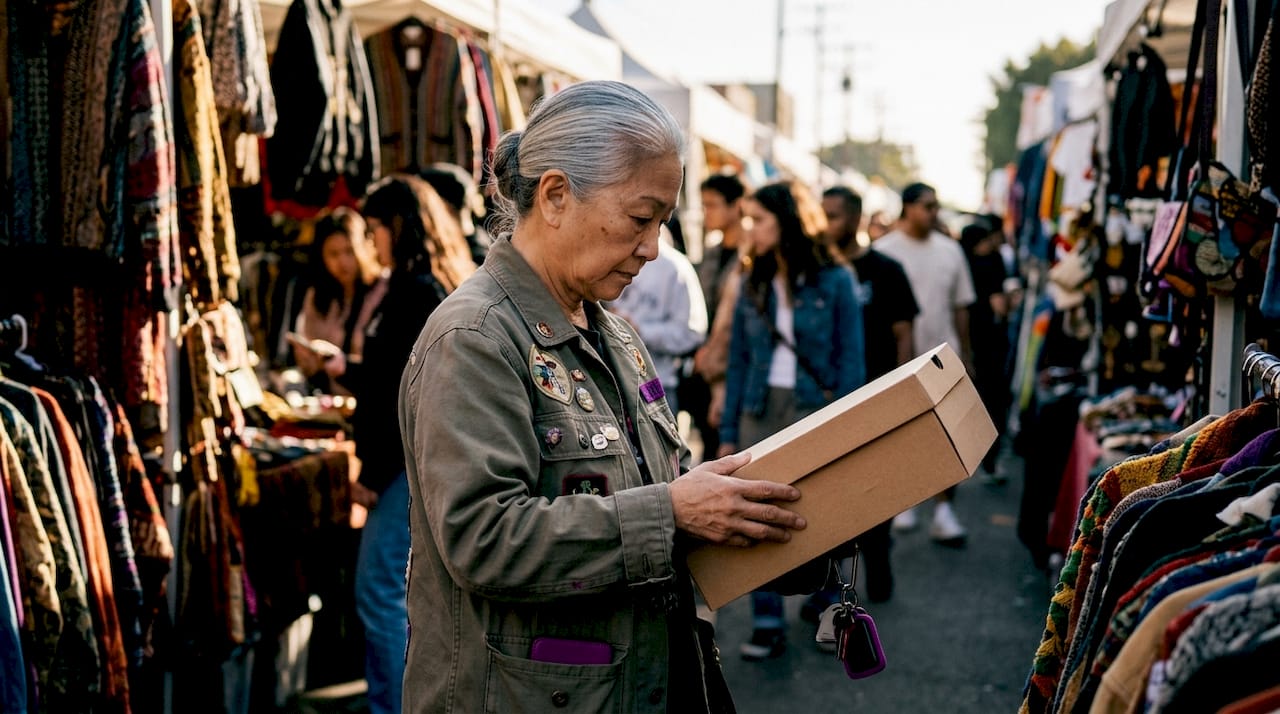
When applied to brands, OG status belongs to labels that pioneered key trends and maintained authenticity through decades of pressure to go mainstream. Brands like Stüssy, founded in the early 1980s, and Supreme, which opened its doors in 1994, hold OG status because they shaped streetwear authenticity before the culture had a name. Their influence is measurable in the DNA of nearly every streetwear brand that followed.
When applied to products, OG refers to original releases, particularly first colorways and debut packaging. This is where the term gets most specific and most contested in collector circles.
The process of earning OG recognition in the community follows a recognizable pattern:
- Show up early and consistently, not just when something is trending
- Contribute something real, whether that is a design, a community, or a cultural moment
- Earn recognition from peers who were also there, not from followers who arrived later
- Maintain that credibility over time without chasing clout or compromising values
- Accept that OG status is community-enforced, not self-declared
How to spot OG streetwear and sneakers
Identifying a true OG item requires knowing the difference between original and retro, and that difference matters enormously in the collector market.
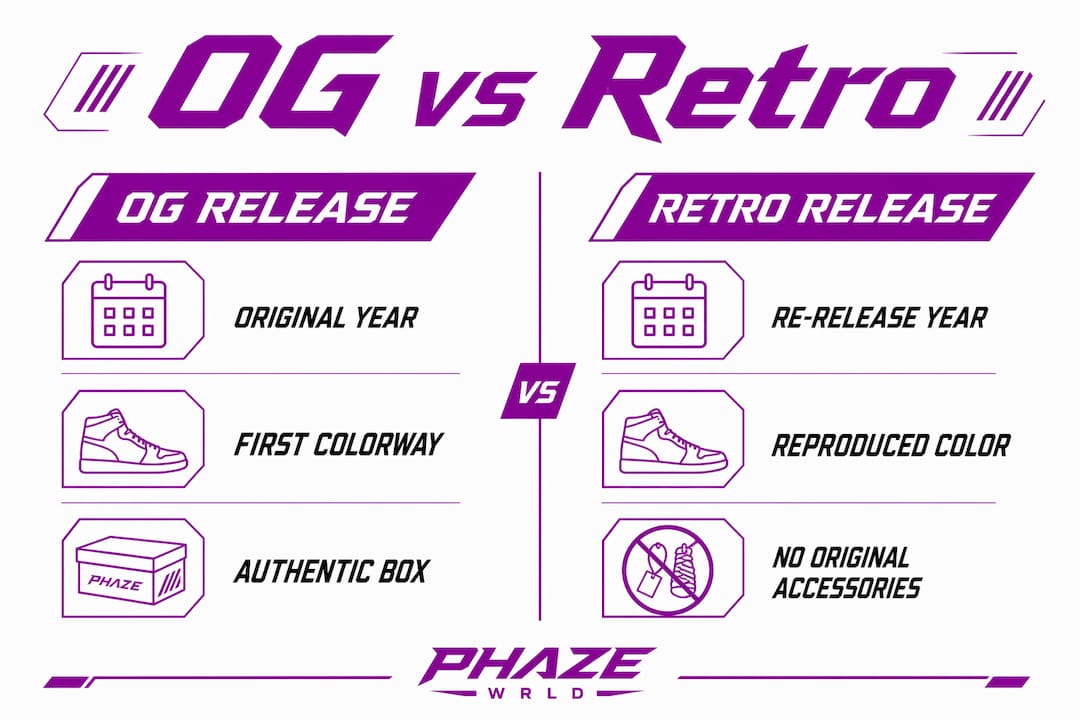
An OG colorway is the first color combination a sneaker model was released in. For example, the Air Jordan 1 “Bred” in black and red is an OG colorway because it was the original 1985 release. Every subsequent re-release of that same colorway is a retro, not an OG, even if it looks nearly identical. The distinction comes down to the year of production, the materials used, and the specific design details that changed between releases.
“OG All” takes this further. OG All means the item comes with its original box, hang tags, extra laces, and any accessories included at the time of the first release. Collectors treat OG All as the gold standard. A pair of vintage Air Jordan 1s in perfect condition loses significant resale value without the original box and tags. The packaging is part of the artifact.
| Feature | OG release | Retro release |
|---|---|---|
| Production year | Debut year of the model | Later re-release year |
| Materials | Original fabrics and construction | Often updated or substituted |
| Colorway accuracy | Exact original color combination | May include minor tweaks |
| Packaging | Original box, tags, accessories | New box design for re-release year |
| Collector value | Premium, especially with OG All | Lower than true OG vintage |
Common mistakes newcomers make include assuming a retro release is OG because the colorway matches, or believing that “deadstock” automatically means OG. Deadstock means unworn, not original. A 2015 retro can be deadstock without being OG. Retro releases often differ from originals in subtle ways, including stitching patterns, sole materials, and font choices on tags.
Pro Tip: When buying vintage sneakers, check the production date stamped inside the tongue or on the insole. Cross-reference it with the original release year of that specific colorway to confirm whether you are holding a true OG or a retro.
Why OG status matters culturally and economically
OG status is not just a cultural talking point. It has real economic consequences in the streetwear and sneaker resale market.
Brands use OG status as a marketing signal to communicate heritage, quality, and authenticity. When a brand references its OG roots, it is telling consumers that it was building something real before the trend arrived. That signal carries weight with buyers who value legacy over hype. It also creates a clear hierarchy in the market: OG items sit at the top, retros sit below them, and replicas sit at the bottom.
The cultural enforcement of OG status is just as powerful as the economic one. Streetwear communities, whether on Reddit, Discord, or in physical spaces like sneaker conventions, actively police who and what gets called OG. Falsely claiming OG status risks real backlash. The community’s memory is long, and credibility lost in those spaces is hard to recover.
Key reasons OG status shapes the market and the culture:
- OG colorways and OG All items command premium resale prices that retros cannot match
- Heritage brands with OG reputations attract collaborations with artists, athletes, and designers
- OG status drives consumer loyalty that outlasts individual product cycles
- Community recognition of OG brands creates organic marketing that paid advertising cannot replicate
How to engage with OG streetwear culture respectfully
Engaging with OG culture starts with understanding one rule: OG status is earned, not purchased. You can own every OG colorway ever released and still not be considered OG by the community if you have not put in the time or contributed anything real.
The most respected figures in streetwear communities are those who know the history. Understanding why Stüssy matters, what Supreme’s early Lafayette Street drops represented, and how iconic brand collaborations shaped the culture gives you the context to engage authentically. That knowledge signals respect for the people who built the scene.
Pro Tip: Before buying a piece labeled OG, research its original release year, colorway details, and packaging specs on resources like Sneaker News or Sole Collector. Knowing what you are buying protects your investment and your credibility.
Practical ways to build genuine engagement with OG culture:
- Study the history of foundational brands and their original releases before spending money
- Connect with collector communities on platforms like Reddit’s r/Sneakers or StockX forums to learn from experienced buyers
- Prioritize grail pieces with documented provenance over cheap replicas that undermine the culture
- Respect the people who were there first by crediting their contributions when you talk about the culture
Key takeaways
OG in streetwear is a community-enforced badge of authenticity that applies to people, brands, and products, and it carries both cultural and economic weight that newcomers must understand before engaging.
| Point | Details |
|---|---|
| OG definition | OG stands for “Original Gangster” and signals authenticity, foundational influence, and earned respect. |
| Cultural origin | The term moved from 1980s LA gang culture into mainstream use through hip-hop, especially Ice-T’s 1991 album. |
| OG colorway vs. retro | An OG colorway is the debut release; retros are re-releases that often differ in materials and details. |
| OG All value | Original packaging, tags, and accessories significantly increase a sneaker’s collector value and authenticity. |
| Community enforcement | OG status is decided by the community, not self-declared, and misusing it damages credibility. |
The weight of OG and why it still matters
From where Phazewrld stands, OG is the most misused and most important term in streetwear. Everyone wants the label. Very few understand what it actually costs.
What I have observed is that the brands and people who genuinely hold OG status rarely chase it. They built something real, stayed consistent, and let the community do the recognizing. The moment someone starts calling themselves OG, it is usually a sign they are not. Authentic OG status is always conferred, never claimed.
The part that gets overlooked is the responsibility that comes with it. If you carry OG credibility, you have an obligation to the culture that gave it to you. That means mentoring newcomers, preserving the history, and refusing to compromise the values that earned you the title in the first place. Heritage is not a marketing asset. It is a commitment.
For anyone just entering the culture, the best move is to listen more than you speak. Learn who built what and why it mattered. The culture rewards genuine curiosity and punishes shortcuts. That has always been true, and it will not change.
— Phazewrld
Explore OG-inspired streetwear at Phazewrld
Phazewrld was built on the same values that define OG culture: authenticity, street credibility, and designs that mean something. The collections at Phazewrld are not trend-chasing. They are built for people who understand that real style comes from knowing the culture, not just wearing the clothes. Browse the men’s streetwear collection for foundational pieces that carry the weight of the culture, from streetwear hoodies built for everyday wear to graphic tees that speak the language of the streets. Free shipping on orders over $99. Easy returns. No compromises on quality.
FAQ
What does OG mean in streetwear?
OG stands for “Original Gangster” and is used in streetwear to describe people, brands, or products that are foundational, authentic, and respected for their original contributions to the culture. The term originated in 1980s Los Angeles and entered mainstream use through hip-hop.
What is an OG colorway in sneakers?
An OG colorway is the original color combination a sneaker model launched in during its debut release. It is distinct from retro colorways, which are re-releases that may include material or design changes.
What does OG All mean?
OG All refers to a sneaker that comes with its original box, hang tags, extra laces, and all accessories from the initial launch. Missing original packaging significantly reduces a sneaker’s resale value even if the shoe itself is in perfect condition.
How do you earn OG status in streetwear?
OG status is earned through time, authentic contribution, and community recognition. It cannot be self-declared or purchased. The streetwear community enforces who holds OG credibility, and falsely claiming it risks serious backlash.
Which brands are considered OG in streetwear?
Brands like Stüssy, Supreme, FUBU, and Nike’s Air Jordan line hold OG status because they pioneered streetwear culture before it became a global industry. Their influence is visible in the design language and community values of nearly every brand that followed them.