

TL;DR:
- Brand identity in clothing encompasses visual, verbal, and experiential signals that communicate a brand’s values and culture. It builds trust and recognition through consistent messaging across platforms, enabling premium pricing and loyalty. Authenticity and cohesive storytelling are essential for long-term credibility and meaningful self-expression through fashion.
Brand identity in clothing is defined as the complete system of visual, verbal, and experiential signals a brand uses to communicate its values, style, and promise to customers. Why brand identity matters in clothing goes far beyond a logo or colorway. Consistent brand identity increases revenue by 23% to 33% and boosts recognition by up to 80%. For young adults navigating urban fashion, understanding this system means understanding why certain brands feel authentic and others feel hollow. It also means knowing how to use clothing as a genuine tool for self-expression rather than just trend-chasing.
How does brand identity build trust and recognition in clothing?
Trust is the engine behind every purchase decision in fashion. 81% of consumers say trust is required before they buy from a brand, and that trust is built through repetition and consistency. A brand that shows up the same way across its website, packaging, social media, and product tags trains your brain to recognize and rely on it.
The mechanics here are straightforward. Consumers need 5 to 7 brand impressions before they reliably remember a brand. That means every touchpoint, from the font on a hang tag to the tone of an Instagram caption, is an opportunity to either reinforce or erode recognition. Streetwear brands that nail this consistency become instantly identifiable even without a visible logo.
In urban fashion specifically, trust influences buying decisions in a very direct way. When a brand’s visual language, messaging, and product quality all align, customers feel confident spending money. When those signals contradict each other, doubt creeps in. Streetwear brands build credibility through exactly this kind of disciplined consistency over time.
- Consistent logos, color palettes, and typography across all platforms reinforce recognition
- Tone of voice in captions, product descriptions, and emails signals personality and values
- Packaging and unboxing experiences extend brand identity beyond the product itself
- Community language and cultural references signal that a brand understands its audience
Pro Tip: Before buying from a new streetwear brand, check whether their website, social media, and product photos feel like they belong to the same world. Inconsistency there is a reliable signal of weak brand identity underneath.
What brand identity elements matter most in urban fashion?
Brand identity in streetwear is not just a logo. It is the full sensory experience a brand creates across every surface it touches. The industry term for this complete system is visual identity, but in practice it extends well beyond visuals into tone, community, and cultural positioning.
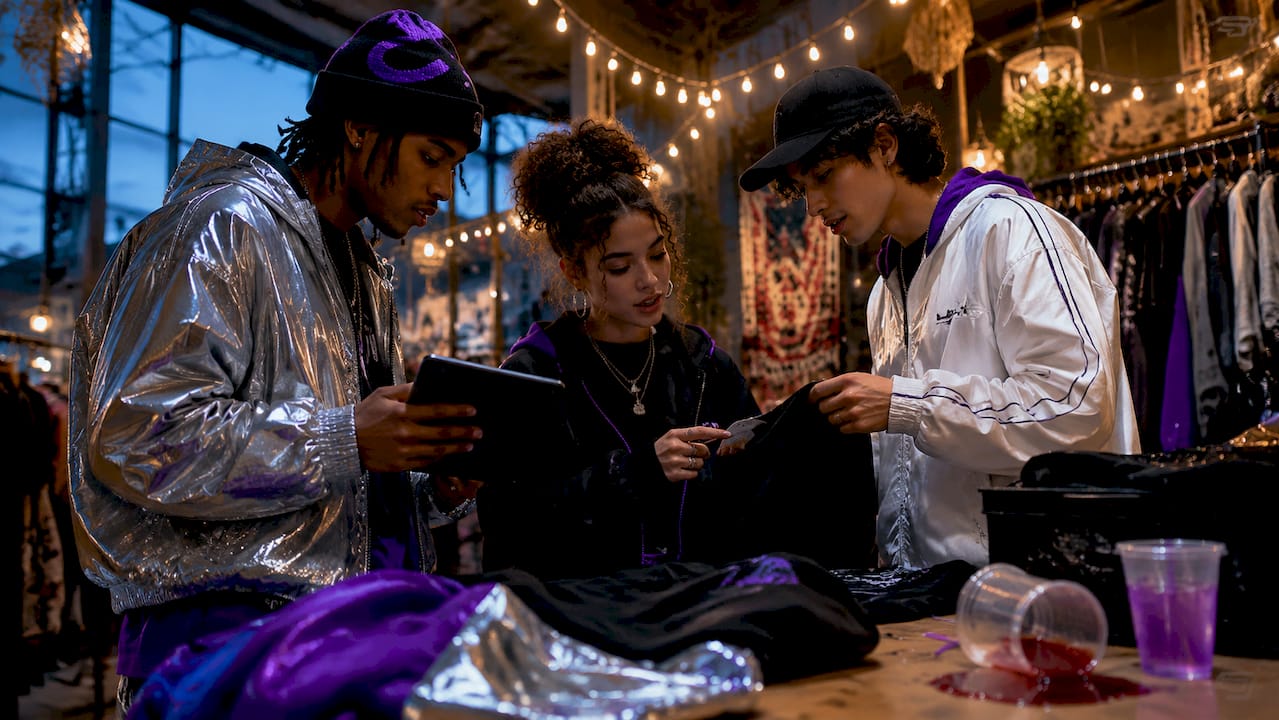
The table below breaks down the core elements and how they function differently in urban fashion compared to mainstream apparel:
| Brand identity element | Role in urban fashion |
|---|---|
| Logo and wordmark | Signals credibility and cultural belonging at a glance |
| Color palette | Creates emotional associations and visual consistency across drops |
| Typography | Communicates attitude, from aggressive block fonts to clean minimalism |
| Imagery and photography style | Defines the lifestyle the brand represents |
| Tone of voice | Builds community through language that resonates with the audience |
| Packaging and tags | Extends the brand experience into the physical product |
Authenticity is the element that separates streetwear brands from generic apparel labels. Customers buy into a lifestyle and community reflected authentically by brand identity, not just a garment. A hoodie from a brand with strong cultural roots in skate culture or hip-hop carries meaning that a blank hoodie never can. That meaning is constructed entirely through brand identity.
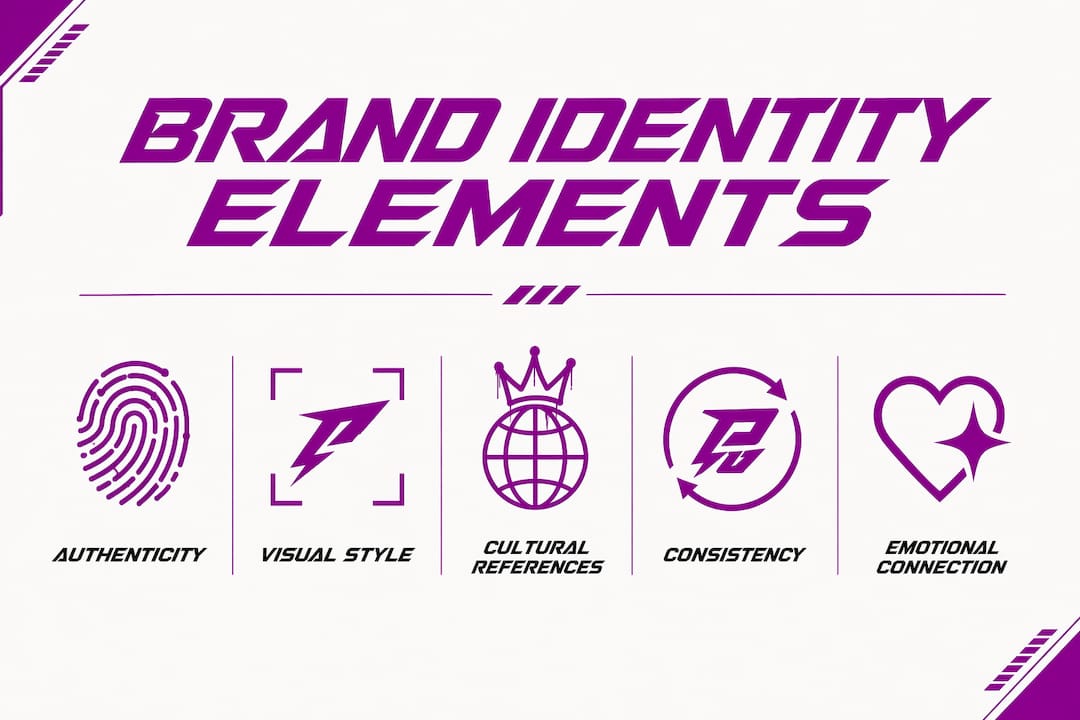
Cultural references are especially powerful in this space. Street art shapes apparel graphics in ways that communicate authenticity to audiences who know the references. When a brand uses visual language drawn from graffiti, music, or neighborhood culture, it signals membership in a community. That signal is a brand identity decision, not a design decision.
Brand identity acts as a complete operational guideline covering color palettes, tone, and quality standards. This means a well-built identity does not just look good. It makes every creative decision faster and more consistent, which is why brands with strong identities tend to produce more cohesive collections over time.
How does strong brand identity enable premium pricing and loyalty?
The financial case for investing in brand identity is concrete. Strong brand identity allows clothing brands to command 20% to 40% price premiums over unbranded equivalents. That gap is not explained by fabric quality alone. It is explained by the emotional and cultural value the brand has built through consistent identity.
Emotional connection is what converts a one-time buyer into a loyal customer. When a brand’s identity aligns with your values, your style, and your community, buying from that brand feels like an expression of who you are. That emotional investment makes you far less likely to switch to a cheaper alternative, even when one exists. This is why brand equity in streetwear culture translates directly into long-term revenue stability.
Pricing alignment with brand story matters more than most people realize. Misalignment between brand story and pricing strategy creates confusion that harms conversion and loyalty. A brand that positions itself as premium streetwear but prices inconsistently or uses low-quality packaging sends contradictory signals. Customers notice, even if they cannot articulate why something feels off.
Fashion branding is now the ultimate strategic advantage in a saturated market. Product design alone no longer differentiates a clothing brand. The brands winning in urban fashion are winning on identity, story, and community, not just on cut and fabric.
What brand identity mistakes do clothing brands most often make?
The most common mistake is treating brand identity as a logo project. A logo is one element of identity. Brands that stop there end up with a visual mark that floats disconnected from any real story, tone, or community. The result is a brand that looks like a brand but does not feel like one.
Here are the pitfalls that consistently damage clothing brand identity:
- Treating the logo as the entire identity. Without consistent color, tone, imagery, and messaging, a logo is just a graphic.
- Inconsistent visual cues across platforms. A polished website paired with low-quality social media photos signals a brand that does not take its own identity seriously.
- Ignoring lifestyle alignment. Brands that claim to represent street culture without genuine cultural roots get read as inauthentic immediately by the audiences they are trying to reach.
- Mismatched pricing and brand story. Charging premium prices while delivering budget-level packaging and presentation breaks the brand promise.
- Neglecting community language. The words a brand uses matter as much as the visuals. Generic captions on a streetwear brand’s posts signal that no one inside the brand actually lives the culture.
Brands that neglect authenticity and cohesive storytelling risk customer confusion and lost sales even with quality products. This is not a soft concern. It directly affects conversion rates and repeat purchase behavior.
Pro Tip: Audit your favorite streetwear brands by checking whether their product photos, website copy, and social media captions all sound and look like they come from the same source. The ones that pass that test are the ones with real brand identity. The ones that fail are coasting on hype.
How can you use brand identity to express yourself through clothing?
Understanding brand identity gives you a sharper tool for building a personal style that actually means something. Instead of buying whatever is trending, you can choose brands whose identity genuinely reflects your values, your community, and the version of yourself you want to project.
Here is a practical framework for using brand identity as a self-expression tool:
- Identify what a brand actually stands for. Look beyond the product and read the brand’s messaging, imagery, and community. What lifestyle does it represent? Does that lifestyle match yours?
- Check for consistency. A brand with consistent visual and verbal identity across its website, social media, and packaging is a brand that has thought carefully about what it represents. Consistency is a sign of authenticity.
- Evaluate cultural alignment. Streetwear authenticity comes from genuine roots in music, art, sport, or neighborhood culture. Brands with real cultural alignment communicate something meaningful when you wear them.
- Consider community. Wearing a brand is a signal to others who recognize it. Choose brands whose communities you actually want to be associated with.
- Trust your read on quality alignment. If a brand’s story says premium but the product feels budget, that gap is a brand identity failure. Your instinct that something is off is usually correct.
Fashion brands now rely more on brand identity than design alone to create long-term cultural relevance. As a consumer, that means the brands worth investing in are the ones with a clear, consistent, authentic identity. Not just the ones with the loudest marketing.
Key takeaways
Brand identity in clothing is the single most powerful driver of trust, loyalty, and premium pricing in urban fashion, and understanding it makes you a sharper consumer and a more intentional dresser.
| Point | Details |
|---|---|
| Consistency drives revenue | Consistent brand identity increases revenue by 23% to 33% and recognition by up to 80%. |
| Trust requires repetition | Consumers need 5 to 7 impressions before remembering a brand, making every touchpoint count. |
| Identity enables premium pricing | Strong brand identity supports 20% to 40% price premiums over unbranded clothing equivalents. |
| Authenticity is non-negotiable | Brands without genuine cultural alignment lose credibility with streetwear audiences regardless of product quality. |
| Identity is a self-expression tool | Choosing brands with consistent, authentic identity lets you communicate values and community membership through clothing. |
Brand identity is the culture, not just the clothes
From where Phazewrld stands, the conversation about brand identity in streetwear gets misread constantly. People treat it as a marketing topic, something brands worry about and consumers ignore. That framing is backwards.
Every time you choose a brand, you are reading its identity and deciding whether it matches yours. The brands that stick with you are not the ones with the biggest budgets. They are the ones whose visual language, cultural references, and community feel like they were built for you specifically. That is brand identity working exactly as intended.
The uncomfortable truth is that a lot of streetwear hype exists to mask weak identity. A limited drop creates urgency, but urgency is not the same as meaning. Brands that rely entirely on scarcity and hype without a coherent identity underneath tend to fade fast once the novelty wears off. The brands with staying power are the ones where the hoodie, the hang tag, the Instagram post, and the community all feel like one continuous thing.
Phazewrld’s take is this: learn to read brand identity the way you read a person’s style. It tells you everything about what a brand actually values, who it is built for, and whether it deserves your money and your loyalty. Wear brands that mean something to you. Everything else is just noise.
— Phazewrld
Own the streets with Phazewrld’s streetwear collections
Phazewrld was built on the principle that clothing should communicate something real. Every piece in the collection, from men’s streetwear to women’s streetwear, is designed with a consistent visual identity rooted in urban culture and individual expression. The brand’s slogans “Own the Streets” and “Define the Culture” are not marketing copy. They are the identity.
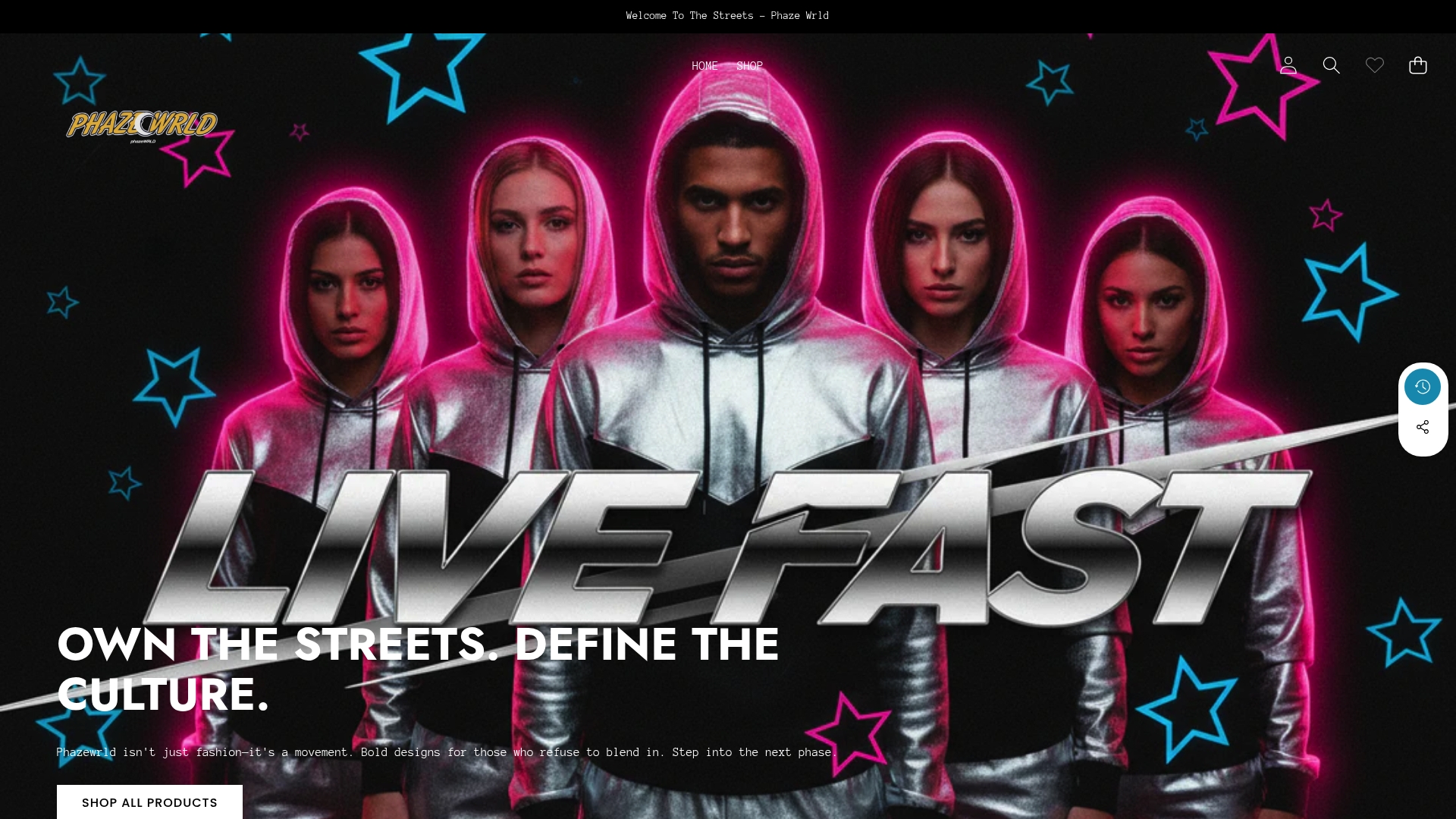
The range covers streetwear hoodies, graphic tees, sweatpants, and caps, all built around a cohesive brand story that speaks directly to young adults who take their style seriously. If you have been looking for a brand whose identity actually aligns with how you move through the world, Phazewrld is worth exploring.
FAQ
Why does brand identity matter more than product design in clothing?
Brand identity creates the emotional and cultural context that makes a product meaningful. Fashion branding is now the ultimate strategic advantage because product design alone no longer differentiates brands in a saturated market.
How does brand identity affect clothing prices?
Brands with strong, consistent identity can charge 20% to 40% price premiums over unbranded equivalents because customers are paying for the meaning, community, and trust the brand represents.
What makes a streetwear brand’s identity feel authentic?
Authenticity comes from genuine alignment between a brand’s cultural references, visual language, community, and product quality. Brands that neglect cohesive storytelling risk losing credibility even when the product itself is good.
How many times do I need to see a brand before I trust it?
Research shows consumers need 5 to 7 brand impressions before reliably remembering and trusting a brand, which is why consistency across every platform matters so much.
Can understanding brand identity improve my personal style?
Yes. Recognizing how brand identity communicates values, lifestyle, and community membership lets you choose clothing that genuinely reflects who you are rather than just what is trending at a given moment.