

TL;DR:
- Limited streetwear drops are driven by psychological, financial, and cultural forces that increase perceived value and foster community. Small production runs protect brand finances, build loyalty, and create cultural moments, but fake scarcity damages trust and resale value in 2026. Credible brands anchor scarcity in real constraints, cultivating genuine loyalty through storytelling, collaborations, and authentic exclusivity.
You see a drop sell out in minutes and wonder if the whole thing is engineered frustration. The truth about why streetwear collections are limited goes much deeper than a marketing trick. There are real psychological, financial, and cultural forces at work. Understanding them changes how you shop, how you collect, and how you judge which brands are actually worth your attention versus which ones are just playing games with artificial scarcity.
Table of Contents
- Key takeaways
- Why streetwear collections are limited: psychology first
- The real business case for keeping runs small
- How limited drops build culture, community, and loyalty
- When limited collections backfire
- How to navigate limited drops as a collector
- My take on where limited drops are heading
- Explore what limited streetwear looks like done right
- FAQ
Key takeaways
| Point | Details |
|---|---|
| Scarcity drives perceived value | Limited supply triggers psychological urgency, making products feel more desirable and culturally significant. |
| Small runs protect brand finances | Limited production reduces inventory risk, avoids markdowns, and keeps brand equity intact at full price. |
| Drops create cultural moments | The best limited releases build community identity and belonging, not just product transactions. |
| Fake scarcity destroys trust | Consumers in 2026 are sophisticated enough to recognize manufactured hype, and they walk away from it. |
| Smart collectors research first | Tracking drop schedules, understanding resale dynamics, and recognizing genuine editions leads to better decisions. |
Why streetwear collections are limited: psychology first
The most fundamental reason behind limited releases is not logistics. It’s how your brain responds to scarcity. The scarcity heuristic drives consumers to assign higher value to anything that appears rare, regardless of its actual production cost. When a hoodie exists in 500 units instead of 50,000, your brain processes it differently. It becomes an object of desire rather than just apparel.
Social proof accelerates this effect dramatically. When you see other people trying to get the same piece, the product gains cultural weight. It signals taste, access, and belonging. This is why exclusive streetwear brands spend as much energy on the announcement of a drop as on the product itself. The conversation happening before release is part of the product.
Urgency is the third pillar. Limited drops create temporal compression, a short window where the decision feels high stakes. Miss it and you missed it. That pressure converts interest into purchases faster than any traditional advertising campaign could. Combined, these three forces turn a clothing item into a coveted cultural artifact.
Here’s what separates the smartest brands from the rest:
- They treat the feeling of access as a product feature, not an afterthought
- They time drops around cultural moments, not just inventory cycles
- They use countdown mechanics and hype lists to build anticipation before release day
- They create the social meaning of participation, so buying feels like joining something
Pro Tip: If a brand’s drop announcement builds more conversation than the product itself generates, that brand understands streetwear psychology at a deep level. That’s a signal worth paying attention to.
The real business case for keeping runs small
The psychology side gets most of the attention, but the operational logic behind limited streetwear is just as powerful. Most independent and mid-size streetwear brands genuinely cannot afford large production runs, and that constraint turns out to be a strategic advantage.
Small batches reduce capital tied up in unsold inventory. Traditional retail buries brands in end-of-season markdowns that erode brand perception and eat into margins. A brand that sells 400 units at full price is in a healthier financial position than one that produces 4,000 units and discounts 40% of them to move stock.
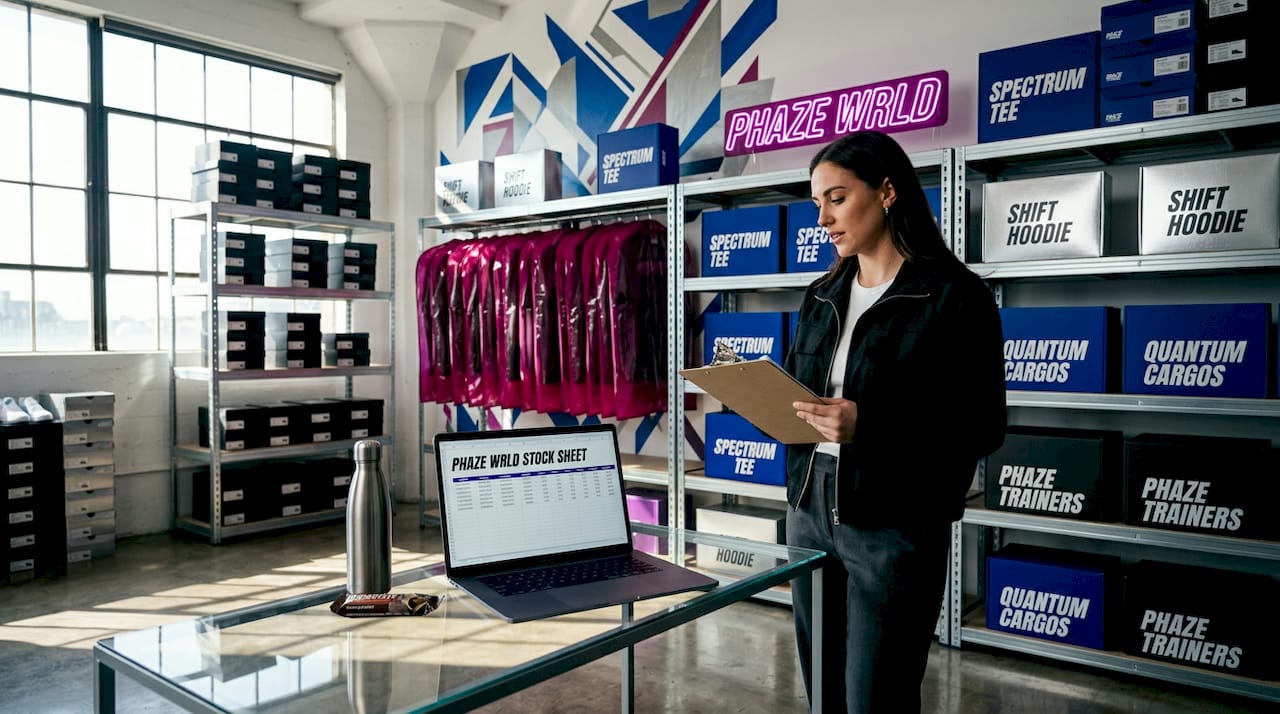
The drop model inverts traditional retail by prioritizing full-price sell-through and maintaining brand equity over volume. You understand exactly how this works when you look at the numbers: the limited-edition sneaker market is projected to grow from $3.5 billion in 2025 to $7.8 billion by 2033, with brands using small-batch production reporting a 28% increase in sell-through over traditional methods.
Supplier constraints also play a role most consumers never consider. Minimum order quantities from fabric manufacturers and factories are real barriers for emerging brands. Rather than fighting that constraint, smart brands frame it honestly. They turn a supply chain reality into a marketing signal. To learn more about how this works end to end, the breakdown of how the drop model operates inside online streetwear businesses is worth reading.
The bottom line for brands keeping runs limited:
- Full-price sell-through protects long-term brand perception
- No end-of-season clearance means no discount association attached to the brand
- Lower production volume means faster feedback loops on what the community actually wants
- Reduced financial exposure means a brand can experiment with designs without catastrophic downside
Pro Tip: When a new brand you’re watching drops 200 pieces instead of 2,000, that’s often not a flex. It’s survival math that also happens to create the scarcity premium. Respect the hustle.
How limited drops build culture, community, and loyalty
This is the dimension that turns a transaction into a tradition. The most culturally resonant brands treat limited releases as events with meaning, not just inventory movements. Effective limited releases are designed to create a sense of membership and shared experience rather than simple commerce.
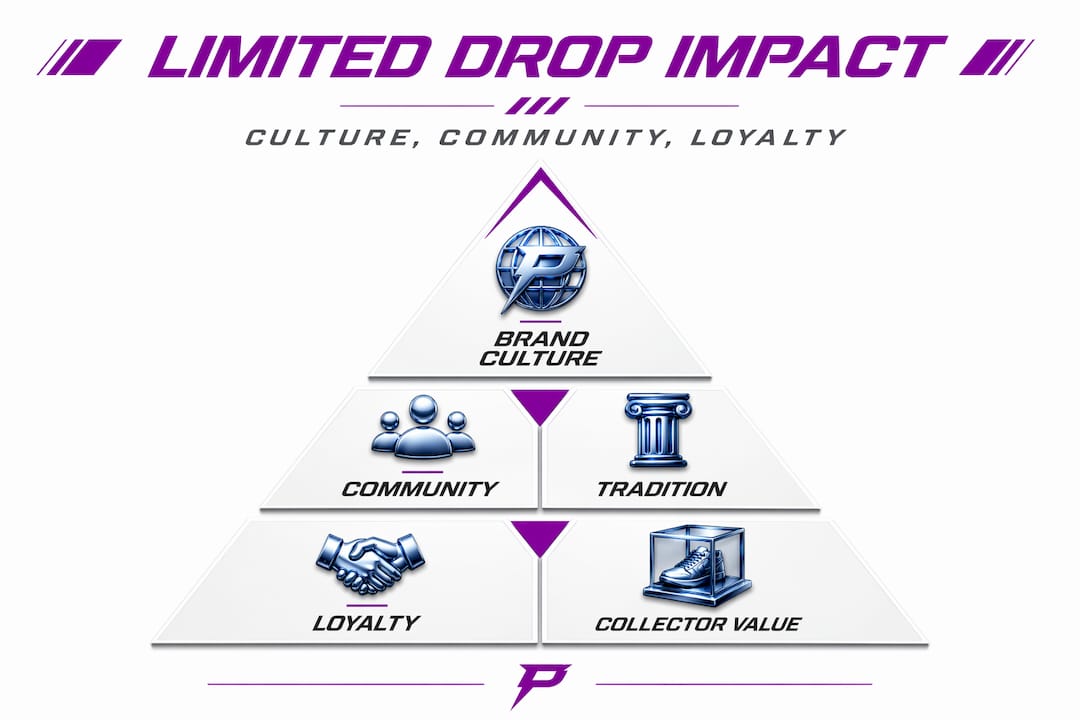
Think about what actually happens around a major drop. People camp queues physically or digitally. They discuss colorways and construction on forums days in advance. They share their cop or their miss on social media. They compare what they got with what others got. This collective experience is the culture, and the limited collection is the catalyst for it.
The elements that create genuine cultural momentum follow a consistent pattern:
- Storytelling before release. The backstory of materials, inspiration, or collaboration is shared before anyone can buy. This context turns a product into a narrative.
- Collaborations as cultural signals. Partnerships with artists, musicians, or other brands add layers of meaning and expand the audience. Exploring iconic streetwear collaborations shows how these partnerships amplify both parties’ cultural standing.
- Numbered editions and certificates. These tangible proofs of scarcity reinforce the collector mentality. Owning piece #87 of 200 means something different than owning piece #87 of 20,000.
- Community-first access. Giving loyal followers early access, waitlists, or raffle entry builds belonging. The people who get access first feel rewarded for their investment in the brand.
- Post-drop conversation. Smart brands continue the cultural moment after the drop closes, sharing community photos, styling content, and production behind-the-scenes material.
Hip hop’s deep influence on streetwear culture shapes all of this. The relationship between hip hop style and fashion is built on authenticity and credibility, the same values that make limited drops feel meaningful versus manufactured. Brands that understand this connection build real loyalty. Brands that ignore it just sell clothes.
Collectors of streetwear are not simply buyers chasing resale profit. The serious ones are curators of cultural history. They understand that a limited piece from a significant moment in a brand’s story carries meaning that transcends the garment itself.
When limited collections backfire
Scarcity only works when it’s credible. This is the part most brands get wrong, and the part consumers in 2026 are increasingly unforgiving about.
If scarcity is seen as fake or arbitrary, consumer urgency collapses and trust erodes. A brand that announces a “limited” drop and then restocks three weeks later has essentially lied to its community. The second restock doesn’t just disappoint. It retroactively damages the original purchase for everyone who bought it believing in the exclusivity.
Resale market premiums for limited streetwear and sneakers have deflated significantly in 2026 compared to prior years. This is a direct response to years of inflated hype and performative scarcity. Consumers now prioritize design quality and cultural relevance over manufactured urgency. The era of buying anything because it was hyped is fading.
The warning signs of fake scarcity are easy to recognize once you know what to look for:
- Repeated restocks after the “final” drop closes
- Extremely low unit counts on products with minimal cultural or production justification
- Countdown timers that reset or extend
- Heavy discounting on resale markets shortly after release, indicating poor genuine demand
- No coherent brand story connecting the limited run to anything meaningful
Brands that succeed long-term, the ones worth following, anchor their scarcity in reality. Genuine scarcity must be operational and believable, tied to real material constraints, production complexity, or deliberate design decisions. That’s the difference between Supreme’s Thursday drops and a random brand limiting stock just to create FOMO.
How to navigate limited drops as a collector
You don’t need to chase every drop or pay resale premiums to participate meaningfully in streetwear culture. What you need is a system.
- Follow brands, not hype cycles. Monitor official channels and newsletters for brands you genuinely care about. Tracking drop schedules from trusted sources beats reacting to secondhand information.
- Understand the difference between a genuine limited edition and a marketing window. A true limited run has a fixed production number tied to something real. A “limited time” offer is often just urgency marketing with no supply constraint at all.
- Use raffles and waitlists. Most credible brands offer community-first access through fair entry systems. Signing up early is the most reliable way to access drops without competing on speed alone.
- Research resale dynamics before buying. If a piece you want is on the secondary market, check how the resale price has moved since release. A piece that’s still trading above retail months later has real demand behind it. One that’s already below retail within weeks tells you something about genuine desirability.
- Engage with the community beyond purchases. Attending drops and connecting with other fans adds real value to your experience. Knowing how to network at streetwear events opens doors to community intel that no algorithm surfaces.
Pro Tip: The best collectors treat drops as research opportunities even when they miss out. What sold out instantly? What lingered? That data tells you more about a brand’s real cultural standing than any press release.
My take on where limited drops are heading
I’ve watched the streetwear market cycle through phases of pure hype, backlash, and recalibration. Where we are now in 2026 is the most interesting moment yet. Consumers have gotten smart. They’ve been burned by restocks, fake scarcity, and brands that chased clout without cultural substance. And they adjusted.
What I find genuinely promising is that this correction is forcing real quality to rise. The brands still commanding attention and full-price sell-through are the ones with actual stories, genuine material investments, and community roots that predate the hype. Scarcity that is earned rather than manufactured creates loyalty that outlasts any single drop cycle.
My honest view is that the brands trying to fake their way through exclusivity are on borrowed time. The secondary market data backs this up. Modern consumers are savvy; fake scarcity risks losing trust, and the brands succeeding anchor exclusivity in storytelling, quality, and real community. The future belongs to brands that make limited drops feel like a gift to their community rather than a manipulation of it.
Accessibility and exclusivity are not opposites. The brands getting this right find ways to let more people into the culture while keeping the products themselves genuinely hard to get. That balance, earned through consistency and authenticity, is the whole game.
— Phazewrld
Explore what limited streetwear looks like done right
At Phazewrld, the philosophy behind limited drops is not a marketing talking point. It’s how the brand operates. Every collection is built around genuine cultural relevance and deliberate production decisions, not inflated urgency or empty countdown timers. The result is streetwear that holds its meaning long after the drop closes.
Whether you’re shopping the men’s streetwear collection or exploring the latest from women’s streetwear, you’ll find pieces that reflect a real point of view on urban fashion and street culture. Free shipping on orders over $99, easy returns, and price matching mean that accessing the culture doesn’t come with unnecessary friction. Phazewrld drops are built for people who care about what they wear and why they wear it. Own the Streets. Define the Culture.
FAQ
Why are streetwear collections limited in the first place?
Streetwear collections are limited for a combination of psychological, financial, and cultural reasons. Scarcity drives perceived value, small production runs reduce inventory risk, and limited drops create cultural moments that build long-term brand loyalty.
Why are sneakers limited in the same way as clothing drops?
Sneakers follow the same drop logic because the scarcity heuristic applies equally. The limited sneaker market projects growth driven precisely by small-batch production strategies that increase sell-through and sustain brand prestige.
What does “limited drop” mean in streetwear?
A limited drop is the release of a fixed, small quantity of a product for a short window of time. The best drops combine genuine supply constraints with cultural storytelling and community access to create a meaningful purchase experience rather than just urgency.
How can I tell if a limited edition is genuinely rare or just hype?
Look for production transparency, a clear cultural story behind the piece, and stable or appreciating resale prices over time. Brands that restock “limited” items or discount heavily within weeks of release are signaling that the scarcity was performative rather than real.
Does the resale market still matter for streetwear collectors?
The resale market remains relevant but has matured. As of 2026, resale premiums have deflated compared to peak hype years, with buyers now favoring genuine design quality and cultural significance over brand name alone.