

TL;DR:
- Streetwear prices fluctuate due to fabric quality, brand reputation, production location, and scarcity-driven hype.
- Understanding the roles of materials, brand mythology, and supply chain costs helps consumers evaluate true value beyond logos.
You’ve seen it. A hoodie for $45 next to one for $450, both cotton, both graphic, both “streetwear.” Understanding why streetwear prices vary so dramatically is not just a curiosity — it’s the difference between a smart buy and getting played. Price is not a reliable quality signal in this space. The real drivers are buried in fabric specs, brand mythology, global trade policy, and the psychology of perceived value. Once you know what you’re actually paying for, the entire market starts to make a different kind of sense.
Table of Contents
- Material quality and production costs: The foundation of streetwear pricing
- Brand DNA and cultural capital: Why hype can cost more than craftsmanship
- Supply chain factors and tariffs: The hidden costs behind your streetwear price tag
- The science of perception: How garment weight and feel influence perceived value
- Practical tips for buying streetwear that matches your price expectations
- Why the price tag doesn’t tell the whole story: A fresh look at streetwear value
- Explore authentic streetwear collections at Phaze Wrld
- Frequently asked questions
Key Takeaways
| Point | Details |
|---|---|
| Material quality drives costs | Premium fabrics and heavier materials increase production expenses significantly, impacting price. |
| Brand hype inflates prices | Much of streetwear’s price reflects brand equity and exclusivity rather than just garment quality. |
| Supply chain adds costs | Tariffs and global logistics raise production costs that brands often pass on to consumers. |
| Perception influences value | Fabric weight and texture create sensory impressions that affect how expensive clothing feels. |
| Informed buyers get better value | Understanding these factors helps shoppers pick streetwear that matches their budget and quality expectations. |
Material quality and production costs: The foundation of streetwear pricing
Most people start and stop at “it’s the brand name.” But before hype enters the picture, raw materials set the price floor. Fabric weight is one of the most direct cost drivers in streetwear. A standard fast-fashion hoodie might use 280gsm (grams per square meter) cotton blend. A premium piece uses 400gsm or heavier brushed fleece, which is significantly denser, warmer, and more durable. Premium materials like 400gsm cotton increase production costs by 30 to 40 percent compared to standard alternatives.
Production location also shapes the final price. Factories in Portugal or the United States cost more per unit than production in Bangladesh or Vietnam, but they often deliver tighter construction, better finishing, and shorter lead times. Design complexity adds another layer. A five-panel cut with reinforced seams, custom ribbing, and an embroidered chest patch costs more to produce than a basic pullover with a screen print.
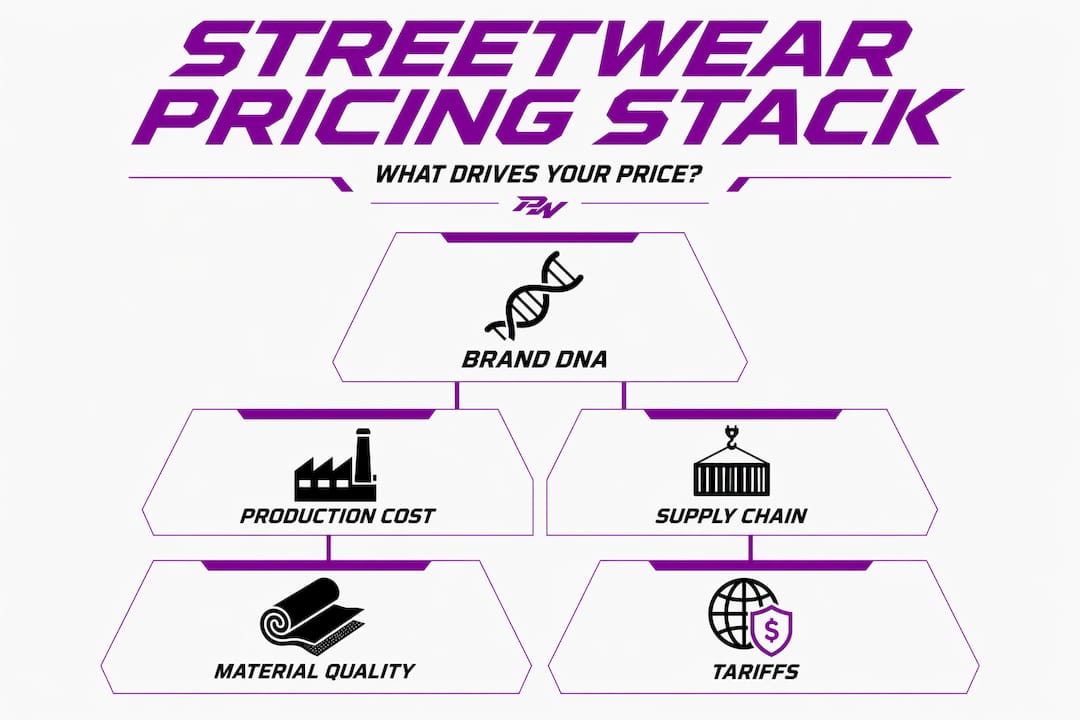
Here’s a breakdown of how material and production factors stack up against each other:
| Factor | Budget tier | Mid-tier | Premium tier |
|---|---|---|---|
| Fabric weight | Under 300gsm | 300 to 380gsm | 380gsm and above |
| Production location | Southeast Asia | Mixed sourcing | Domestic or Europe |
| Sampling and QC | Minimal | Standard | Rigorous multi-stage |
| Minimum order quantity | High (1000+ units) | Moderate | Low (increases per-unit cost) |
| Design complexity | Basic cuts | Moderate detail | Custom hardware, tailored construction |
Small brands face a specific challenge here: smaller order quantities mean higher per-unit cost. A brand ordering 100 hoodies pays far more per piece than one ordering 5,000. That cost gets absorbed into your retail price. You can learn more about how these streetwear production basics translate to real costs at the brand level.
Key production factors that affect your price:
- Fabric composition (100% cotton vs. cotton/polyester blends vs. performance fabrics)
- Garment weight and thread density
- Dyeing process (piece-dyed vs. garment-dyed, which adds texture and character)
- Print method (screen printing vs. embroidery vs. heat transfer, each with different cost profiles)
- Quality control at multiple production stages
Pro Tip: When you’re shopping online, check the product description for fabric weight listed in gsm. Brands that are confident in their materials will list it. Those that don’t are often hiding a lightweight fabric behind strong branding.
With a clearer view of how materials and production create a price floor, we can next examine how brand identity and hype shape what you pay.
Brand DNA and cultural capital: Why hype can cost more than craftsmanship
Beyond material costs, the intangible factors of branding and market positioning play a huge role in streetwear prices. This is where streetwear pricing gets genuinely fascinating and occasionally frustrating.
A $400 streetwear hoodie often allocates 50 to 60 percent of its price to brand equity and cultural cachet rather than materials or construction. That’s not a bug. It’s a feature of how streetwear has always operated. The value is in the signal the garment sends, not just what it’s made of.
Limited drops are the main engine of this pricing model. Releasing 200 units of a hoodie to a mailing list of 20,000 creates a scarcity that would make any economist’s eyes light up. The piece becomes collectible. It generates social media engagement before it even ships. Resale prices can triple within 48 hours of a drop selling out. That cultural event is what you’re partly paying for when you hit checkout.
“The streetwear market blurs the line between fashion and cultural artifact. When a piece becomes rare, it stops being apparel and starts being access to a community.”
Here’s how brand-driven pricing compares to production-driven pricing:
| Pricing driver | What you’re paying for | Price impact |
|---|---|---|
| Material quality | Fabric, construction, durability | Moderate |
| Brand equity | Name recognition, reputation | High |
| Scarcity and limited drops | Perceived rarity, collectibility | Very high |
| Community and cultural cachet | Social signal, identity alignment | High |
| Collab or artist association | Creative partnership premium | Very high |
Knowing whether you’re buying craftsmanship or cultural capital changes how you evaluate every purchase. Neither is wrong. But they’re different transactions. A piece tied to a specific cultural moment, artist, or community has value that no fabric weight specification can measure.
Key signals that you’re paying for brand equity more than garment quality:
- Minimal technical specifications in the product description
- High resale value on the secondary market
- Drop-based release strategy with no restocks
- Brand story centered on exclusivity rather than production values
- Price increase with no change to materials from previous seasons
Learning what defines a strong streetwear brand identity helps you decide what you actually value before you spend.
Supply chain factors and tariffs: The hidden costs behind your streetwear price tag
Having explored internal costs and brand strategy, let’s consider a factor that most shoppers never see: global trade policy. It directly affects what you pay.
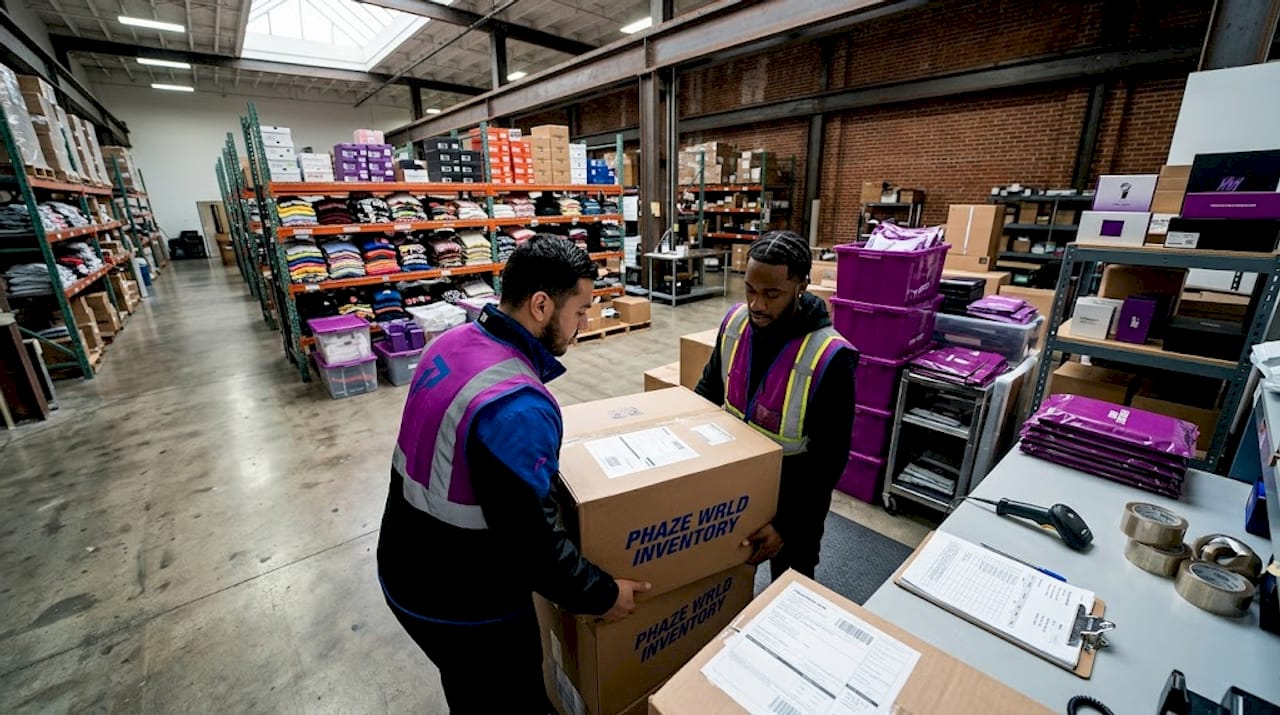
Tariffs can add 30 to 40 percent or more to garment import costs depending on the country of origin. In 2026, tariffs and global supply chain pressures have forced many small brands to increase retail prices to stay viable. Large brands absorb some of this through volume and diversified supply chains. Small and mid-size streetwear brands often cannot.
Nearshoring, moving production closer to the end consumer, helps reduce tariff exposure but typically increases labor costs. A brand that moves production from China to Mexico might save on import duties but pay 20 to 30 percent more per garment to assemble. That trade-off ends up baked into the price you see at checkout.
Shipping costs are another layer most buyers underestimate. Ocean freight rates have swung dramatically in recent years. Air freight, used for faster drops and new season launches, costs significantly more per unit than sea shipping. When a brand needs to hit a launch date for a hyped drop, they may air-freight an entire production run. That cost gets distributed across every unit sold.
Key supply chain factors that quietly inflate your streetwear price:
- Import tariffs based on country of manufacture
- Freight mode (air vs. sea) and current rate volatility
- Currency exchange fluctuations between production and sale markets
- Inventory holding costs for brands that produce seasonally
- Last-mile delivery expenses in high-cost markets
Understanding how the supply chain impacts on pricing works at the brand level makes the sticker shock of a new drop a lot more explainable.
Pro Tip: If a brand suddenly raises prices between seasons with no change in fabric or design, check whether they’ve changed their production country or whether new tariffs have taken effect. It’s rarely just greed.
The science of perception: How garment weight and feel influence perceived value
Understanding how perception shapes pricing completes our overview of why streetwear prices can vary so widely.
Here’s something that doesn’t get discussed enough in streetwear circles: your hands and skin are doing a lot of the pricing work before your brain even registers the garment. Haptic perception, the way your body processes touch, is deeply tied to value judgment. Heavier, quieter fabrics (think a dense fleece that doesn’t rustle when you move) feel more expensive because your nervous system has been conditioned to associate density and stillness with quality.
A 100-gram difference in garment weight leads consumers to rate an item as significantly more valuable, even when the actual material cost difference is small. Brands know this. It’s why descriptors like “structured drape,” “cool-to-touch cotton,” and “brushed interior” exist in product copy. They’re targeting your sensory expectations before the piece arrives.
“When you can’t touch a garment online, your imagination fills in the gaps. Smart brands describe exactly how the fabric feels so your brain pre-approves the price before you even see it.”
How to read perceived value signals accurately:
- Check the gsm weight listed. Compare it to what you currently own that feels substantial.
- Read the fabric composition. 100% cotton behaves differently than blends, and the ratio matters.
- Look for descriptions of interior finish. Brushed, fleece-lined, or French terry interiors signal different construction and comfort.
- Search for unboxing or wear reviews on video. Seeing the fabric move tells you more than images.
- Pay attention to garment structure in photos. A piece that holds its shape on a hanger is usually denser and more durable.
The best example of this principle in action is the premium heavyweight hoodie category. Two hoodies can look nearly identical in a flat-lay photo. Hold them both and the price difference becomes immediately intuitive.
Practical tips for buying streetwear that matches your price expectations
With these practical strategies, you can confidently navigate the diverse streetwear market and get the best value for your money.
You now understand the mechanics. Here’s how to apply that knowledge every time you shop.
81% of consumers say they’re willing to pay more for sustainably produced, higher-quality apparel. That statistic tells you two things: brands that invest in sustainable production can charge a premium, and consumers who care about sustainability should expect to pay it. Knowing which side of that transaction you’re on saves you from buying the wrong thing.
Smart streetwear shopping checklist:
- Check the fabric weight. If it’s not listed, ask. Brands proud of their materials will always tell you.
- Read the brand story critically. Is it about the culture and craft, or is it entirely built on exclusivity and hype?
- Compare price to production transparency. Does the brand explain where and how it’s made?
- Assess resale value before buying into a drop. Collectible pieces hold value. Generic hype drops often don’t.
- Consider sustainability credentials. Organic cotton, recycled materials, and fair-trade production add legitimate cost and genuine value.
- Know your own priority. Are you buying for daily wear, for the culture, or to hold and flip? Each demands a different set of criteria.
When you’re looking for quality streetwear hoodies that back up their price with actual material and construction specs, that transparency should be visible before you buy.
Pro Tip: Build a reference point by buying one piece from a brand you trust at a price point you understand well. That becomes your internal benchmark for every future purchase.
Why the price tag doesn’t tell the whole story: A fresh look at streetwear value
Here’s the take that most streetwear content won’t give you directly: the pricing system in this industry is not broken. It’s functioning exactly as designed. It just serves multiple masters simultaneously, and buyers who don’t recognize that get confused.
When you pay $350 for a hoodie from a brand with genuine cultural roots, you’re purchasing membership in something. That’s a real transaction. The problem starts when brands charge $350 for a hoodie that has the aesthetics of cultural membership without the actual community, craft, or credibility behind it. That’s where price becomes genuinely deceitful.
Consumers should look past price and understand brand DNA to distinguish paying for craftsmanship versus cultural capital. That framing is exactly right. But it requires you to do a little homework before you buy.
The blurring line between luxury fashion and streetwear makes this harder than it used to be. When LVMH acquires streetwear labels and heritage fashion houses drop hoodies, the signals get noisy. A $600 hoodie from a luxury house might have better construction than a $600 hoodie from a hype-driven streetwear brand. Or it might not. Price alone tells you almost nothing.
What actually separates value from hype is a combination of: material honesty, genuine community connection, production accountability, and whether the piece still means something to you after the news cycle moves on. The brands that build real streetwear pricing explained narratives around craft and culture earn their price points. The ones that build exclusively around FOMO and artificial scarcity are renting you a feeling that expires fast.
Approach every purchase with that framework and the price tag becomes just one data point in a richer decision.
Explore authentic streetwear collections at Phaze Wrld
If you’ve read this far, you’re not shopping randomly anymore. You know what to look for: fabric weight, production transparency, brand authenticity, and the difference between paying for craft versus paying for hype.
Phaze Wrld is built on exactly that standard. Every piece in the men’s streetwear collection is designed to hold up on both counts, quality materials and genuine street credibility. Whether you’re shopping streetwear hoodies for everyday wear or eyeing a heavyweight drop, you’ll find fabric specs, honest construction, and a brand identity rooted in culture rather than manufactured scarcity. Explore the premium oversized hoodies range to put what you’ve learned directly to work. Free shipping over $99. Easy returns. No guesswork.
Frequently asked questions
Why do some streetwear hoodies cost twice as much as others?
Prices vary due to differences in materials, brand reputation, production methods, and marketing strategies like limited drops. A 400 hoodie allocates 50 to 60 percent of its price to brand equity and hype rather than production costs alone.
Are heavier fabrics always better quality in streetwear?
Heavier fabrics typically indicate better durability and structure, and they cost more to produce. Premium 400gsm cotton raises production costs by 30 to 40 percent, but fabric weight alone doesn’t guarantee superior craftsmanship across all garment construction points.
How do tariffs affect streetwear prices?
Tariffs raise the cost of importing finished garments, and small brands rarely have the volume to absorb those increases. Tariffs have forced small brands to raise retail prices in 2026, directly impacting what consumers pay at checkout.
Can a streetwear brand be both high quality and have high cultural cachet?
Yes. Brands like Stone Island combine luxury-level innovation with streetwear credibility, charging premium prices that reflect both genuine material quality and deep community respect. The two are not mutually exclusive.
What should I look for to get good value in a streetwear purchase?
Look for listed fabric weight, transparent production information, and a brand story grounded in culture rather than just hype. 81% of consumers pay more for sustainably produced, high-quality apparel, which signals that transparency and craft genuinely matter to buyers.