
EVOLUTION OF STREETWEAR GRAPHIC TEE DESIGNS
Written for Streetwear enthusiasts and fashion history buffs looking to understand the cultural roots and design progression of graphic t-shirts.
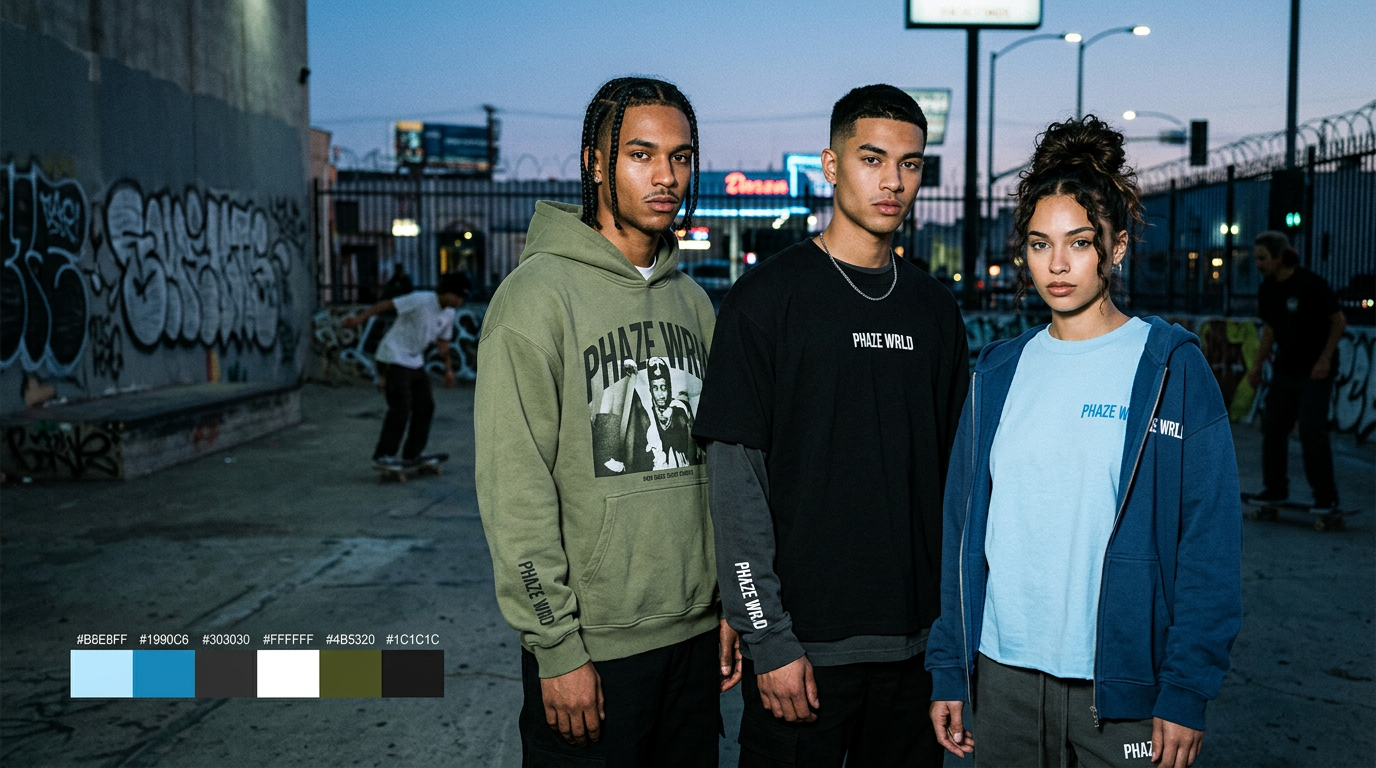
How Skate and Hip-Hop Culture Shaped Graphic Tees
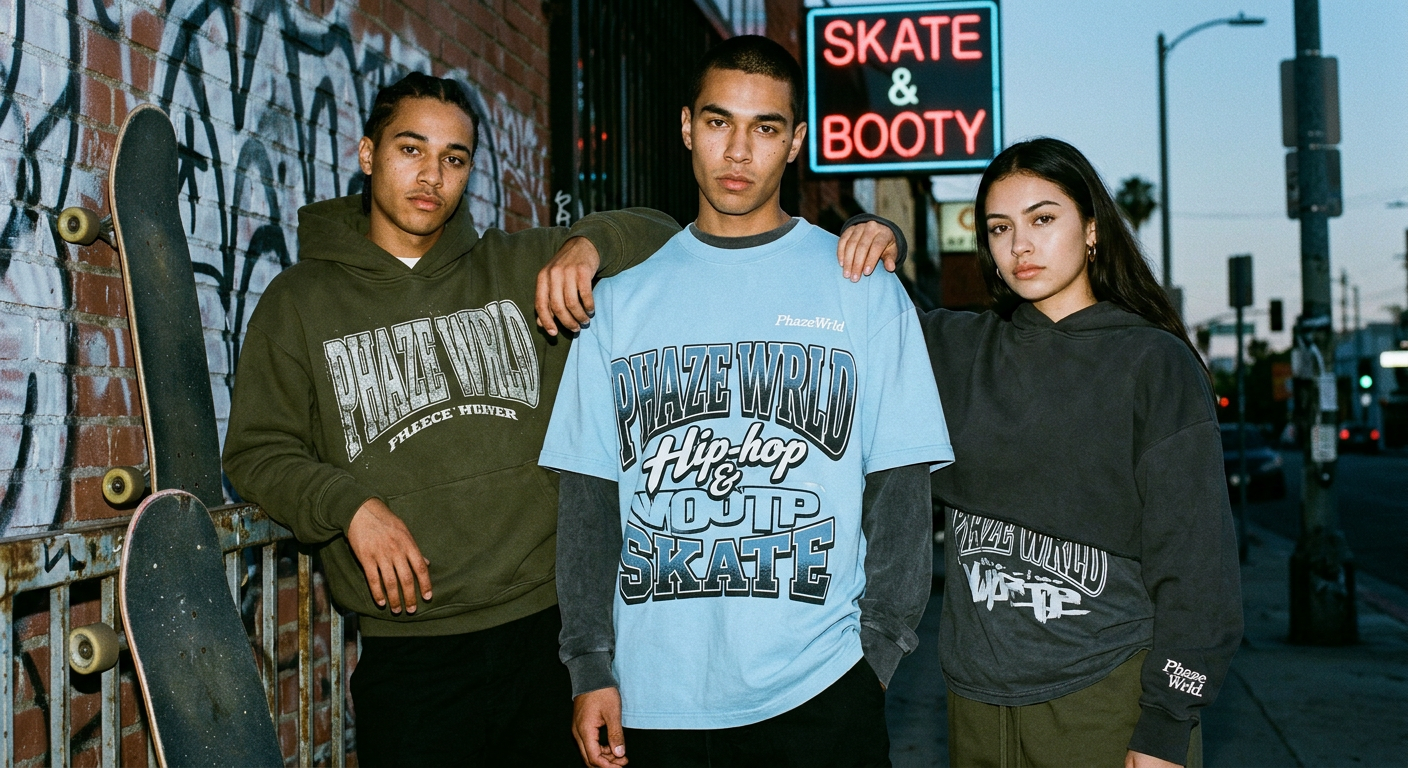
The story of today’s streetwear staples begins not in glossy showrooms but on cracked sidewalks and subway platforms of the 1980s and ’90s. Both skate culture and hip-hop culture demanded clothing that could endure physical grit while broadcasting identity—enter the graphic tee. These weren’t fashion statements in the traditional sense; they were tools of self-expression for marginalized youth carving out space in urban landscapes where hoodies and caps reigned. DIY screen printing empowered local crews to transform blank cotton into wearable manifestos, emblazoning shirts with crew names, rebellious slogans, or raw logos that signaled allegiance without a word spoken. This grassroots approach gave rise to the oversized fit and bold graphics that would become hallmarks of graphic tee culture. Far from commercial products, these tees functioned as armor and announcement—declaring who you were, where you rode, and what beats moved you. In this fertile underground, the evolution of streetwear graphic tee designs took root, proving that authenticity and attitude could stitch together a global movement from simple, screen-printed fabric.
Street Art, Graffiti & Bold Typography in Tee Design
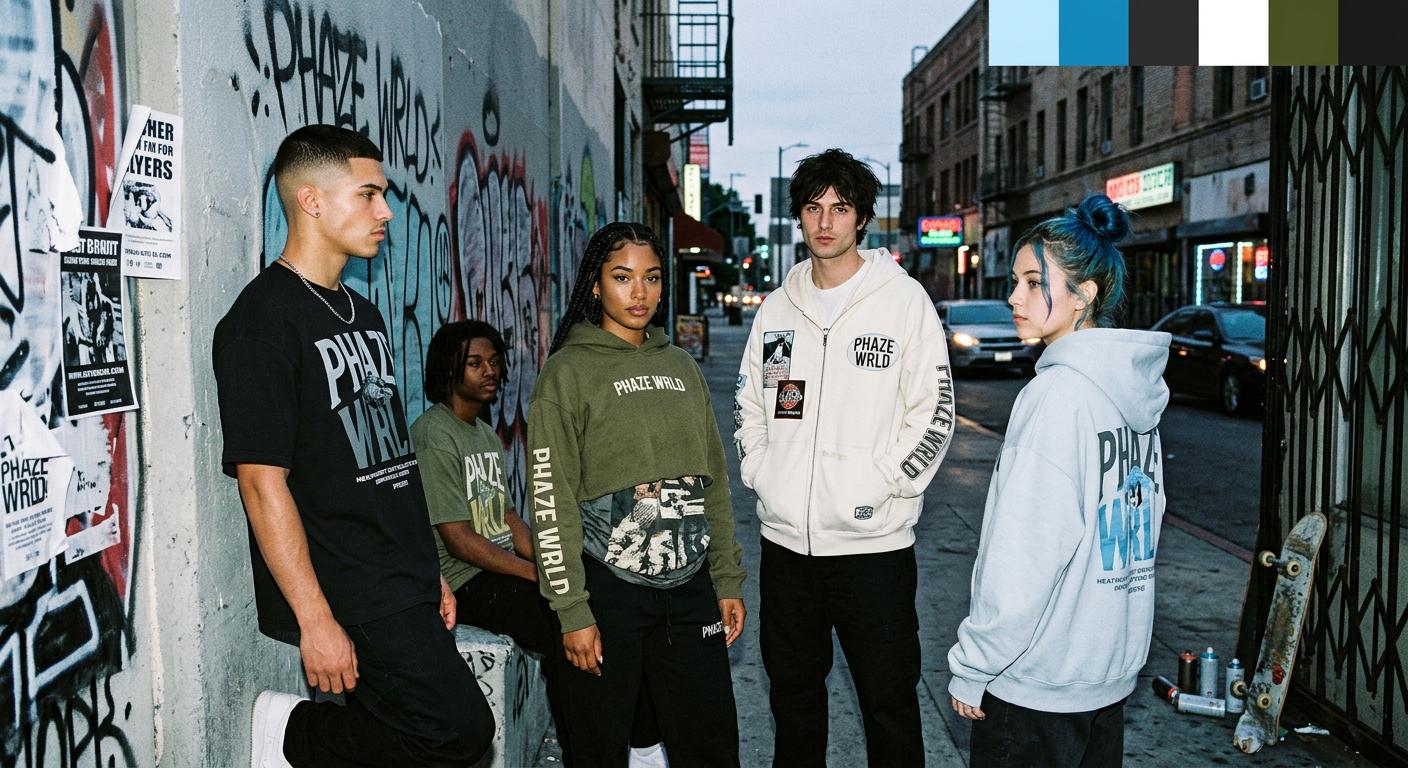
As streetwear matured in the late ’90s and early 2000s, graphic tees evolved from simple identifiers into complex canvases infused with the energy of street art and graffiti. Artists began seeing the human body as a mobile gallery—more permanent than a tagged wall, more intimate than a mural. This shift ushered in an era where apparel graphics transcended branding to become cultural commentary, blending pop culture references, political dissent, and avant-garde illustration. Typography grew sharper and more experimental, often borrowing from punk zines, comic books, and subway scrawls. Color palettes echoed the vibrancy of spray-painted alleys. The influence of street art didn’t just change what was printed—it redefined the purpose of the tee itself. No longer just a uniform, it became a conversation starter, a protest sign, a love letter to the city streets. With boxier silhouettes amplifying the visual impact, these bold graphic t-shirts turned everyday wear into wearable rebellion, cementing the graphic tee’s role as both fashion item and social artifact within streetwear culture—a journey that traces back to The History Behind the First Graphic T-Shirts. Advancements in print techniques allowed designers to replicate intricate spray-paint textures on fabric.
Why Modern Graphic Tees Are Wearable Art
In today’s landscape, the evolution of streetwear graphic tee designs has reached a new apex: the era of wearable art. Fueled by hype culture and digital innovation, modern tees are conceived as limited-edition collectibles as much as clothing, transforming the simple shirt into an essential wardrobe staple. Designers now wield tools like Procreate and Adobe Illustrator to craft intricate, layered compositions that merge Y2K nostalgia with cyberpunk futurism—all printed on premium heavyweight blanks that prioritize drape, durability, and vintage appeal. Scarcity drives desire; drops sell out in minutes not because of logos alone, but because each piece tells a story worth owning. Yet beneath the gloss of exclusivity remains the core ethos of self-expression that birthed the movement. Whether featuring surrealist illustrations, deconstructed typography, or subtle nods to underground scenes, today’s best tees balance artistic ambition with tactile quality. A fire graphic means little without a canvas that ages gracefully. Hence, the industry-wide pivot toward dense cotton, enzyme washes, and construction that honors both form and function. In this fusion of art, tech, and tradition, the graphic tee has ascended from subcultural signal to sartorial statement. This shift has elevated T-Shirts Worldwide into highly sought-after pieces of contemporary gallery art.
From Punk to Luxury: The Subculture-to-Mainstream Shift
Graphic tees migrated from subcultural rebellion to luxury runways through a decades-long fusion of street credibility and commercial appeal. Punk pioneers like Vivienne Westwood used DIY screen printing to broadcast anti-establishment slogans, embedding political dissent into cotton. Hip-hop artists in the 1980s adopted oversized graphic tees as identity markers, with brands like Cross Colours and Karl Kani merging Afrocentric motifs with urban messaging. Simultaneously, skate culture embraced loose-fitting tees featuring bold logos and irreverent artwork, epitomized by Stüssy’s hand-drawn scrawl and distribution through surf shops and skate stores. Stüssy’s founder Shawn bridged California surf aesthetics with New York street sensibilities, laying groundwork for streetwear’s global lexicon. By the 2010s, luxury houses recognized the power of a premier streetwear brand. Collaborations between Louis Vuitton and in 2017 marked the full institutional embrace, dissolving boundaries between underground expression and elite commerce. The graphic tee, once a canvas for marginal voices, now occupies flagship stores from Paris to Tokyo, its subversive origins repackaged as aspirational design. The O.G. designers laid the groundwork for today's high-fashion and streetwear crossovers.
Curating Your Graphic Tee Collection for Self-Expression
Curating a meaningful graphic tee rotation today means honoring decades of streetwear culture while staying true to your personal aesthetic. Start with fit: the iconic oversized silhouette—with dropped shoulders and relaxed sleeves—remains essential for capturing that effortless, grounded vibe. But don’t sacrifice comfort for trend; seek tees cut from heavyweight cotton that hold their shape wash after wash. When selecting prints, consider contrast: pair loud, detailed bold graphic t-shirts with muted staples like black cargos, sweatpants, or washed denim to let the design breathe. Layering is key—throw on an unzipped coach jacket or drape a chore coat over your tee for dimension. At Phaze Wrld, one of the leading streetwear brands, we believe every tee should feel like a chapter in your story. So choose pieces that resonate beyond aesthetics: ones tied to music, art, or movements you connect with. Understanding the history of streetwear deepens that connection, revealing how rebellion, community, and creativity shaped what you wear today. Remember, your men's graphic tees aren’t just clothing—they’re your mobile billboard. Wear them with intention, mix eras thoughtfully, and let each piece reflect not just what’s trending, but who you are.
Frequently asked questions
What is the evolution of streetwear graphic tee designs?
How did graphic t-shirt designs in streetwear change from the 1950s to today?
Why did graphic tees become such an important part of streetwear culture?
How did punk, skate, and hip hop scenes each influence streetwear graphic tee design?
What are the key design trends that define modern streetwear graphic tees compared to vintage styles?
How did band merch and concert t-shirts evolve into today’s streetwear graphic tees?
What role did screen printing and new printing technologies play in the evolution of graphic tee designs?
Why are oversized logos and bold graphics so common in streetwear t-shirt design?
How do contemporary streetwear graphic tees draw inspiration from 80s and 90s designs?
Which streetwear brands are most influential in shaping current graphic tee design trends?
How do collaborations with artists, musicians, and skaters affect the look of streetwear graphic tees?
What cultural or political messages are most often expressed through streetwear graphic t-shirt designs?
Is the quality of prints and fabric on streetwear graphic tees better today than in past decades?
Are streetwear graphic tees from small independent brands better than mass market alternatives?
Should I invest in collectible streetwear graphic tees as part of my wardrobe?
Where can I find streetwear graphic tees that reflect specific subcultures like skate, hip hop, or punk?
How should I evaluate the design quality of a streetwear graphic tee before buying it?
What price range should I expect for high quality, limited edition streetwear graphic t-shirts?
Discover more from Phaze Wrld
Hand-picked guides and drops, delivered occasionally.
Explore the collection