
More Than A Vibe: The Deep-Rooted History of Skate and Hip-Hop Culture
The look was unmistakable. It was born from necessity and attitude, a uniform for a generation that rejected conformity. Oversized silhouettes, durable fabrics, and a focus on comfort created an aesthetic that was both functional for a skate session and visually powerful. This wasn't just clothing; it was armor and a canvas. Boxy hoodies, baggy pants, and statement graphic tees became the key pieces, each one a symbol of belonging to a culture that you had to be in to understand. This style code, written on the streets, laid the foundation for what would become a worldwide fashion movement.
Written for A young adult (18-30) into streetwear who knows the modern trends but is curious about the authentic cultural history behind the aesthetic.
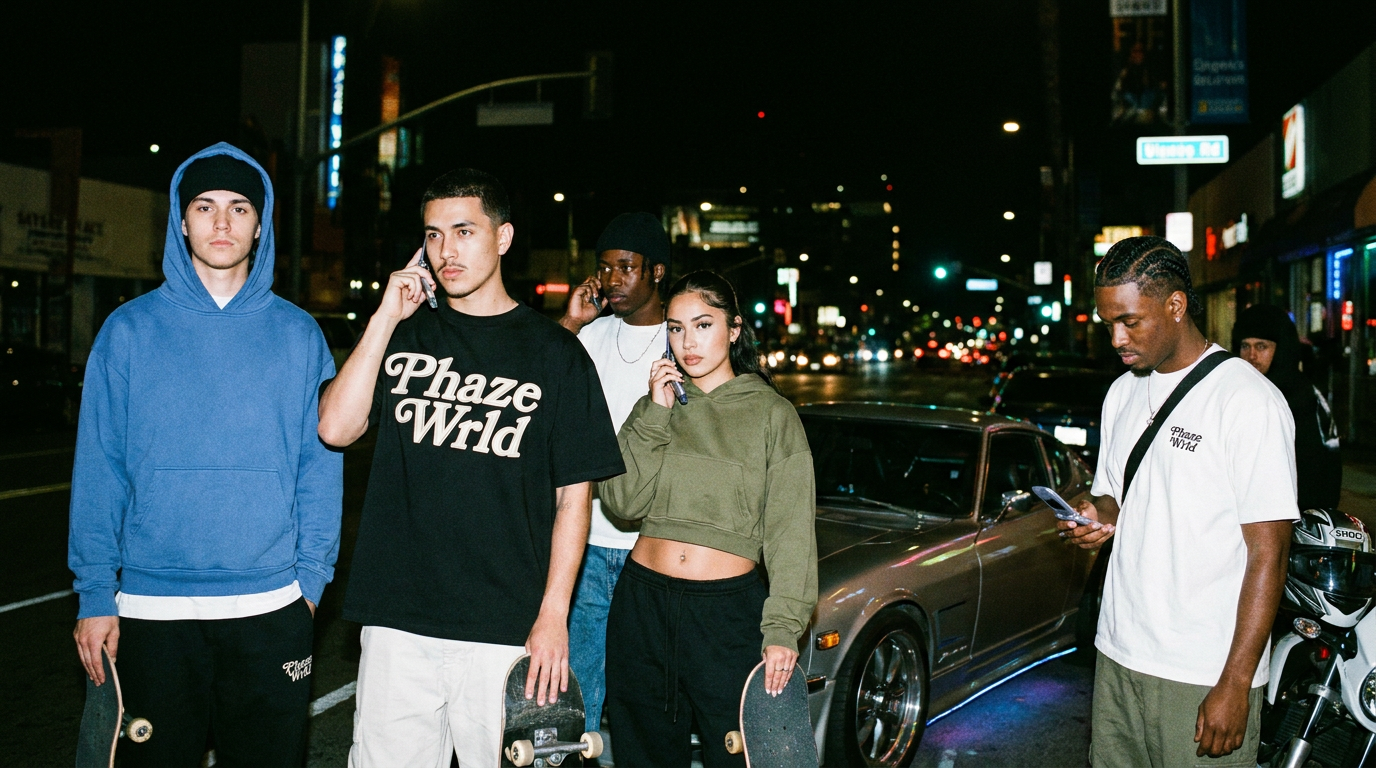
Skate and Hip-Hop: Shared Subcultural Roots?
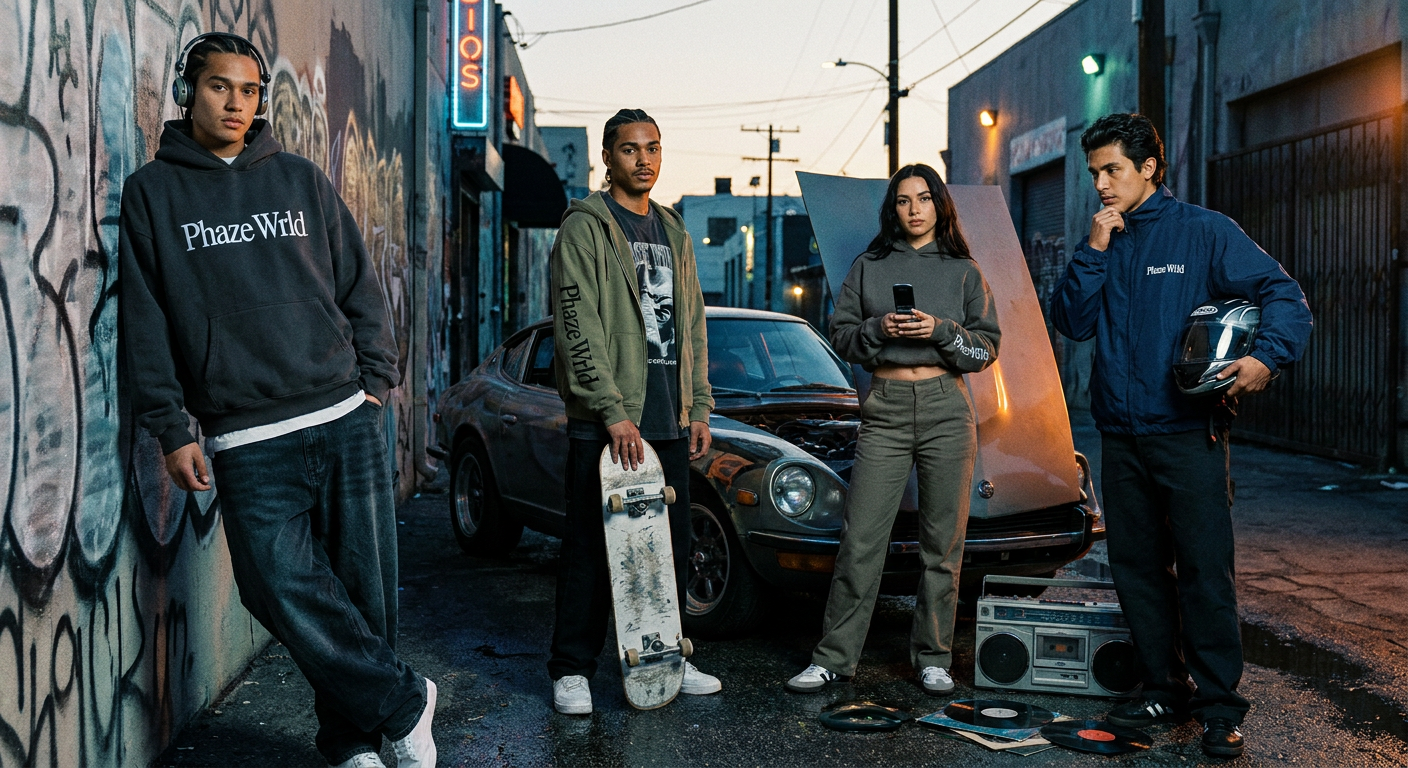
It wasn't some calculated corporate crossover. It was a raw collision of two worlds born from the same concrete. This shared identity goes hard, especially when you look at global movements like the Skate & Hip Hop Japanese Subculture which took these exact elements and flipped them. Both scenes were cooked up by marginalized communities repping their own truth. These weren't just hobbies; they were pure artistic expression for kids who had something to say. No fitting in. Just creating a new lane entirely.
The core of this connection is a fierce DIY ethic. When the world doesn't give you a stage, you build your own. For skaters, it was about turning cityscapes into playgrounds. For hip-hop artists, it was about making beats on whatever equipment you could find and distributing music through mixtapes. This independent spirit is everything. It’s the rejection of the overproduced, cookie-cutter culture of the time. This shared foundation of making something from nothing, of raw, unfiltered creativity, is why the two subcultures didn't just coexist—they merged into a powerful new force. This force would eventually redefine the mainstream itself. In Episode 5, we explore the shared subcultural roots of skate and hip-hop.
Key Figures and Collectives in Skate and Hip-Hop
Key figures and collectives significantly shaped the intertwined narratives of skate and hip-hop. Stevie Williams, a professional skateboarder, founded DGK (Dirty Ghetto Kids). This skate brand was deeply influenced by hip-hop aesthetics and street culture. Odd Future, a music collective, prominently featured skateboarding in their music videos and public image. They blurred lines between the two subcultures. Tyler, the Creator, a central figure in Odd Future, often incorporated skate culture into his fashion and musical expressions. Pharrell Williams, through his brands Billionaire Boys Club and Ice Cream, also fostered connections between high fashion, hip-hop, and skateboarding. Zoo York, an iconic East Coast skate brand, emerged from the vibrant New York City street art and hip-hop scenes of the 1990s. Its founders, Rodney Smith, Adam Schatz, and Eli Morgan Gesner, were immersed in both worlds. The Beastie Boys, an influential hip-hop group, frequently referenced skateboarding in their lyrics and music videos. They showcased an early cross-cultural appreciation. Public Enemy, another seminal hip-hop act, also shared thematic commonalities with the rebellious spirit of skateboarding. Vinnie Paz also played a part in this rich skate and hip hop history. These individuals and groups cultivated a shared identity. They fostered collaboration and mutual respect between skate and hip-hop communities.
How Hip-Hop Became Skateboarding's Defining Soundtrack
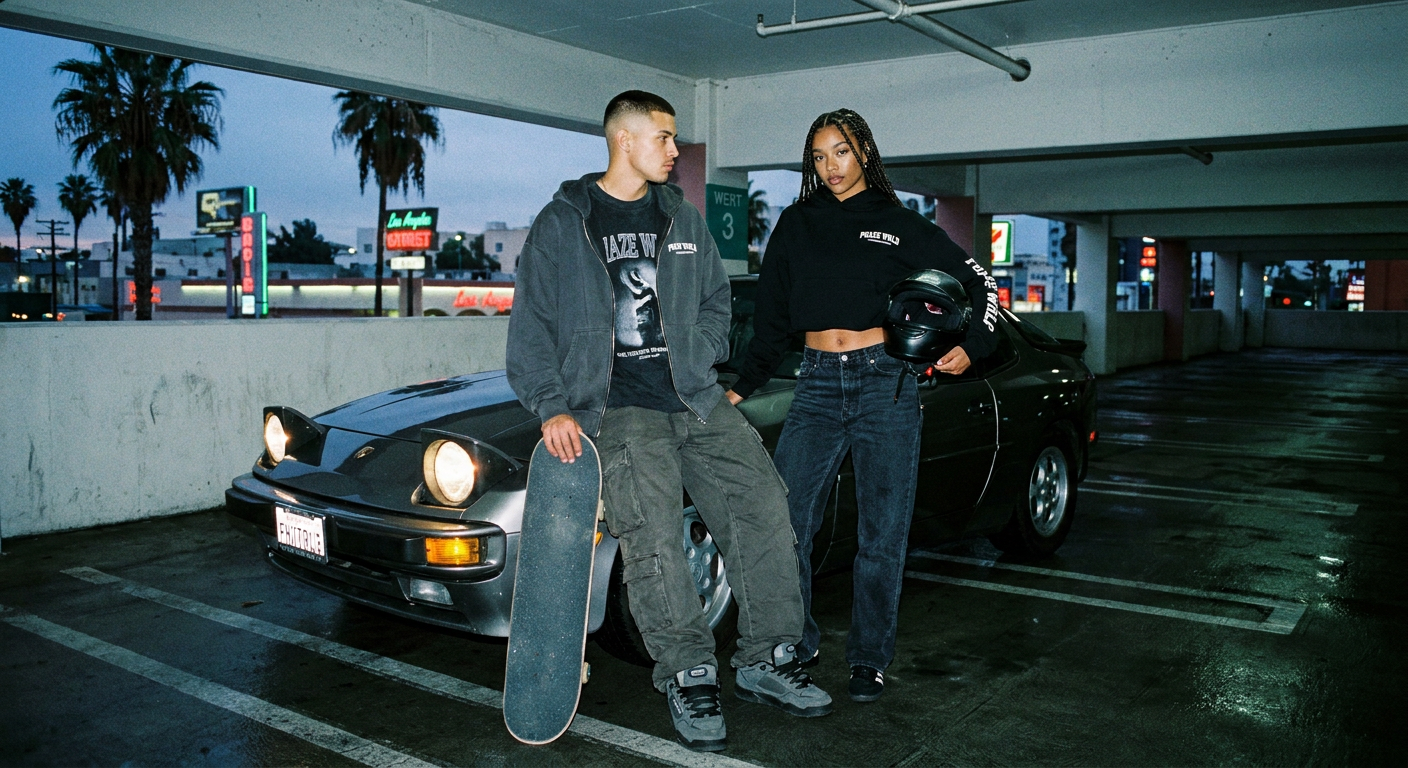
For a minute, the sound of skateboarding was pure punk and hardcore. It was fast, aggressive, and raw. But as the 80s bled into the 90s, a new sound started taking over the skate videos that were the lifeblood of the culture. The hard, syncopated beats and confident flow of East Coast hip-hop hit different. It matched the rhythm of pushing through city streets, the impact of landing a trick by skateboarders, and the overall vibe of the downtown scene. The music wasn't just background noise; it became the pulse of the movement. This wasn't a passive relationship. The choice of a hip-hop track in a skate video was a statement. It was a deliberate act of cultural curation that connected two dots for an entire generation. Iconic skate videos, structured like mixtapes with distinct parts for each skater, became the primary channel for this fusion. They were visual albums where the skating and the soundtrack were inseparable. This demonstrated how hip-hop foster communities. This is where the deep-rooted connection between skateboarding and hip-hop was forged. It created a visual and auditory language that defined an era and influenced everything that came after, from fashion to art.
From Hardcore Punk to East Coast Hip-Hop
The initial energy of skate culture was pure rebellion. Hardcore punk was its perfect, chaotic soundtrack. It was all about speed, aggression, and anti-establishment rage. But as street skating evolved in the late 80s and early 90s, becoming more technical and rhythmic, the music started to shift, too. The relentless, one-note fury of punk didn't always match the flow of navigating ledges, stairs, and city blocks. This progression led to a change. The hard beats and sample-heavy loops of New York rap music offered a different kind of energy. It was confident, gritty, and had a pocket. This new sound provided a sonic landscape that skaters could lock into. It offered a rhythm that complemented the stop-and-go, creative problem-solving of their craft. The shift from punk to hip-hop wasn't a rejection of rebellion, but an evolution of its expression. It found a new groove that felt more authentic to the urban environment. Brendan Long's influence spanned from hardcore punk to East Coast hip-hop.
The Mixtape Era: Visuals & Identity in Skate
The VHS skate video was the original content platform. These weren't just highlight reels; they were carefully curated cultural documents. Zack often highlighted a mailbag segment in these. The format mirrored the hip-hop mixtape: a collection of tracks (skate parts) that, together, created a cohesive statement and a powerful visual identity. Each skater's section was their personal track. Their song choice was as important as the tricks they landed. It was through this medium that the bond between skate and hip-hop became unbreakable. This format gave birth to a new kind of star—the skater as a cultural icon. They were defined by their style, their tricks, and their soundtrack. It allowed skater-owned brands to build a universe around their teams. They used music to craft a specific vibe that resonated with their audience. This was brand building from the ground up. It created an authentic connection that corporate brands could only dream of. It was the blueprint for modern content marketing, happening on grainy VHS tapes.
Streetwear Style Codes: Defining the Look
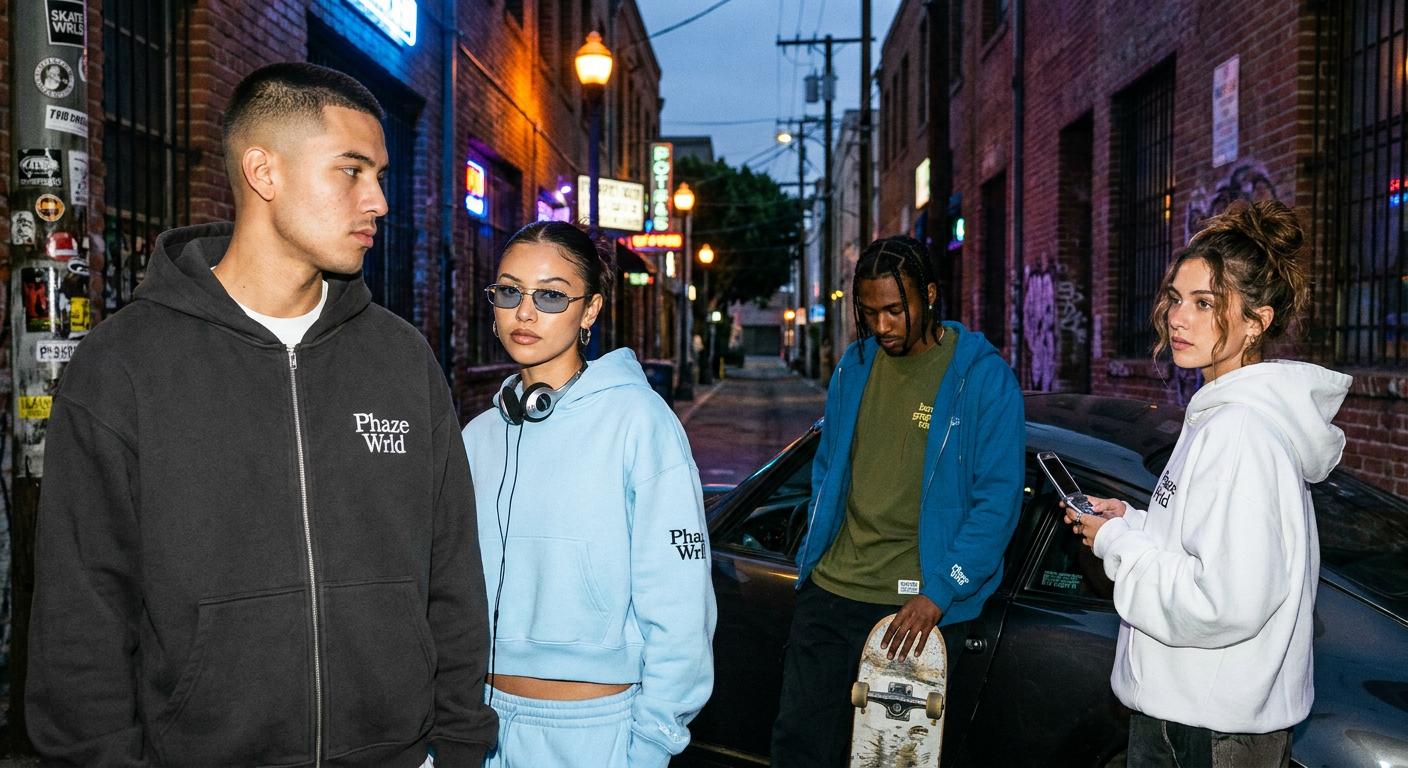
The fusion of skate and hip-hop wasn't just audible; it was visible. A distinct uniform emerged from the streets, born from function, attitude, and accessibility. The look was a direct rejection of the tight, flashy styles of the 80s. It was about comfort, movement, and a certain anti-fashion swagger. This aesthetic was built on a foundation of durable, accessible clothing. This clothing could withstand a skate session but also looked right hanging out on a West Village stoop. The silhouette was key—loose, relaxed, and confident. This is where the DNA of modern streetwear was written. Skater-owned brands, born from the same DIY ethic as the music, created the apparel that defined the era. Because these brands were authentic to the culture, they gained instant credibility. Rappers and fans, who recognized the shared independent spirit, started repping the gear, especially items like Streetwear Hoodies. This organic adoption solidified the link between the two worlds. It turned skate clothing into a cornerstone of hip-hop style and laid the groundwork for the global phenomenon that men's streetwear is today. It was a style forged in authenticity, not in a design studio. The fusion of skate and hip-hop culture also influenced their physical description.
The Rise of Independent Skater-Owned Brands
The brands that defined this era weren't corporate giants; they were started by skaters, for skaters. This 'for us, by us' mentality was everything. It guaranteed a level of authenticity that money couldn't buy. These brands weren't just selling clothes; they were selling a piece of the culture, a visual representation of the DIY ethic. This is part of the answer to Why Streetwear Collections Are Limited. They understood the nuances of the lifestyle because they were living it. This created a powerful sense of community and ownership. This is precisely why the hip-hop world took notice. Rappers, who were building their own empires independently, saw a reflection of their own hustle in these skater-owned companies. Choosing to wear an independent skate brand over a mainstream sportswear giant was a statement of solidarity. It was an acknowledgment of a shared struggle and a shared identity as cultural outsiders. This mutual respect and adoption helped elevate these small brands into icons of the burgeoning streetwear scene. The question of authenticity was central to independent skater-owned brands. Each skater-owned company offered authentic pieces of the culture.
Baggy Jeans & Vintage Tees: Iconic Street Style
The silhouette of the 90s was defined by a single word: baggy. This wasn't just a fashion choice; it was rooted in function. Skaters needed a full range of motion. The restrictive clothing of the 80s wasn't cutting it. Loose-fitting jeans and cargo pants provided the freedom to move. They quickly became a powerful style statement in their own right, synonymous with both skate and hip-hop.
Beyond the fit, the era's apparel was all about identity. The hoodie became a staple, offering both anonymity and a sense of belonging. At the heart of it all was the t-shirt. Vintage tees, especially those with bold graphics or band logos, became a primary canvas for self-expression. The rise of the boxy hoodies silhouette further solidified the look. It created a distinct, powerful frame that was both comfortable and visually impactful. These weren't just clothes; they were cultural signifiers.
From Outcast to Cultural Force: The New Mainstream
From their nascent stages on the fringes of society, both Skateboarding and Hip-hop blossomed into formidable cultural forces. They defied initial societal dismissal to construct a "new mainstream" that fundamentally reshaped global youth culture. This profound transformation wasn't a mere accidental shift. It was rather a testament to the potent DIY ethic that defined both movements. Emerging from communities often overlooked or actively marginalized, these subcultures cultivated a distinct artistic expression rooted in authenticity and raw energy. The pioneering spirit of independent production became a hallmark. This was evident in the early skate videos that circulated hand-to-hand and the self-produced mixtapes that fueled the rise of East Coast hip-hop. This grassroots approach, born out of necessity due to cultural ostracization, ultimately proved to be a more resilient and influential model than anything conceived by traditional gatekeepers.
The aesthetic and values forged in this era, particularly during the 1990s, continue to resonate profoundly across fashion, music, and art. The influence of skate culture and hip-hop culture is palpable in contemporary streetwear. Elements like oversized silhouettes, baggy jeans, and the proliferation of graphic tees trace their origins directly back to these movements. The authenticity, community focus, and demand for artistic control that characterized these nascent scenes didn't just break down barriers. They established an entirely new blueprint for cultural impact. This enduring legacy serves as a powerful reminder that movements built on genuine, shared identity possess an inherent power and longevity. This far surpasses fleeting trends manufactured for mass consumption. Both cultures transformed in various ways from outcast to cultural force. As a result, both cultures profoundly reshaped global youth culture. The Transcript reveals how skate and hip-hop became cultural forces.
Iconic Brands and Media That Defined the Era
Iconic brands and influential media significantly shaped the visual and cultural landscapes of both skate and hip-hop subcultures. Supreme emerged as a pivotal brand, deeply intertwined with both skate culture and burgeoning streetwear. It fostered a unique aesthetic. Vans, with its durable footwear, became synonymous with skateboarding. Its designs were adopted by hip-hop artists for their street credibility. HUF, founded by professional skateboarder Keith Hufnagel, bridged the gap between skate, streetwear, and sneaker cultures. It embodied a shared ethos. Media also played a crucial role in disseminating these subcultures' styles and philosophies. The Zoo York Mix Tape, a seminal skate video, showcased raw street skating and a distinct New York hip-hop soundtrack. It influenced a generation. Glen E. Friedman's photography captured the raw energy of early punk, skate, and hip-hop scenes. It provided iconic imagery that defined the visual identity of these movements. Iconic entrepreneurs Vinnie & Brendan also made their mark. These brands and media outlets did more than just sell products or document events. They cultivated a shared identity and provided platforms for artistic expression within both skate and hip-hop communities, often showcased on outlets like Black Entertainment Television. Supreme and Vans made appearances that shaped both subcultures.
Modern Graphic Tees: A Legacy of Skate & Hip-Hop
Look at any rack of graphic tees today, and you're looking at the legacy of 90s skate culture. The visual language developed during that era—the bold logos, the subversive humor, the gritty photo prints, and the unapologetic attitude—created the template for modern streetwear t-shirts. The t-shirt was the most accessible canvas for the DIY ethic. It was a wearable piece of art and identity.
That tradition goes hard today. The idea of a t-shirt as a statement piece, a conversation starter, or a badge of belonging comes directly from that fusion of skate and hip-hop. The themes of rebellion, inside jokes, and brand allegiance are still central to the designs that resonate most. It's a direct line from the screen-printed tees sold out of a backpack at a skate spot to the limited drops that sell out in seconds online.
Building a Global Creative Community Through Culture
The most enduring legacy of the skate and hip-hop connection isn't a clothing item or a music genre. It's the blueprint for building a global creative community. This Merging showed that a shared mindset and a common set of values could unite people across different cities, countries, and even creative disciplines. It created a network of artists, musicians, designers, and filmmakers who operated on the same wavelength through Skateboard Culture. This model of a decentralized, authentic, and collaborative community is more relevant than ever in the digital age. It broke down the barriers between different art forms. It fostered a spirit of collaboration that is now standard practice. The idea that a skater could also be a rapper, a designer, or a filmmaker was revolutionary. It paved the way for the multi-hyphenate creatives who define today's cultural landscape. It proved that a subculture could be a launchpad for a global revolution.
The Lasting Legacy: More Than Just an Aesthetic
The enduring vibrancy of skate culture and hip-hop culture transcends mere retro aesthetics. It represents a deeply ingrained ethos that continues to shape contemporary global trends. The connection between skate and hip-hop subcultural roots extends far beyond a shared appreciation for streetwear t-shirts or popular sartorial choices like baggy jeans. It’s intrinsically linked to an overarching spirit of independence and representation. This living legacy is embodied by individuals who, inspired by the original DIY ethic, are driven to carve out their own spaces. This could be a budding entrepreneur launching a brand from their home or an artist independently releasing a mixtape. It’s about the organic formation of impassioned communities united by shared passions rather than geographical proximity. All are striving to break conventional barriers and demand authentic representation.
This rich history forms the very bedrock of modern street culture. It serves as the foundational narrative for brands like Phaze Wrld. Our existence isn’t merely about producing clothing. It’s about actively participating in and furthering this dynamic cultural continuum. The core principles of authenticity, creative control, and community that were powerfully forged within the urban landscapes of the 1980s and 1990s remain the guiding forces. These forces are propelling the evolution of hip-hop culture and skate culture today. The profound influence of these skate and hip-hop subcultural roots shows no sign of diminishing. Instead, it continually adapts and evolves, ready to be reimagined and propelled forward by each successive generation. The flame ignited decades ago continues to burn brightly. It illuminates new paths for artistic expression and community building.
Frequently asked questions
What are the subcultural roots shared by skate culture and hip-hop culture?
How did skateboarding and hip-hop each emerge from marginalized urban communities, and where do their histories intersect?
Why are skateboarding and hip-hop often linked in discussions of street culture and subcultures?
How did 1980s and 1990s street scenes in cities like New York and Los Angeles shape both skate and hip-hop subcultures?
What role did DIY ethics and anti-establishment attitudes play in the development of skate and hip-hop subcultural identities?
How did skateboarding’s origins in 1950s California surf culture evolve into a subculture that overlaps with hip-hop?
In what ways did hip-hop music and fashion influence the evolution of skate style and streetwear?
How do skate videos and hip-hop soundtracks reinforce the connection between these two subcultures?
Why are skateboarding and hip-hop both considered forms of resistance and expression for youth in marginalized communities?
What are the key differences between skate subculture and hip-hop subculture despite their shared roots?
Which brands or fashion lines best represent the fusion of skate style and hip-hop aesthetics?
How has the commercialization of streetwear changed the original subcultural relationship between skateboarding and hip-hop?
Can the inclusion of skateboarding in the Olympics be seen as a challenge to its hip-hop and underground subcultural roots?
Does modern skate culture still maintain strong ties to hip-hop, or has it diversified into other music and style influences?
How do gender and race dynamics differ or overlap within skate and hip-hop subcultures?
What academic theories or sociological frameworks are used to study the subcultural connection between skateboarding and hip-hop?
Where can I find documentaries or books that explore the history of skate and hip-hop subcultures together?
How did the rise of streetwear as a global trend depend on influences from both skateboarding and hip-hop?
What impact did specific hip-hop artists or crews have on the popularity of skateboarding and skate fashion?
What should I look for when buying clothing or shoes that authentically reflect skate and hip-hop subcultural roots?
How do the origins of Skate and Hip-Hop Subcultural Roots compare in terms of their initial accessibility and resource requirements?
What are the key products or services that have emerged from the Skate and Hip-Hop Subcultural Roots?
Discover more from Phaze Wrld
Hand-picked guides and drops, delivered occasionally.
Explore the collection