
THE HISTORY OF GRAPHIC TEES IN STREETWEAR
The journey from basic undershirt to cultural icon didn't happen overnight. It took decades of subcultural shifts, technological advancements, and a whole lot of attitude. In the 1970s and 80s, the graphic tee became the uniform of the anti-establishment. Skaters, surfers, and punk kids customized their gear with spray paint and fabric markers, creating a visual language that was entirely their own. This wasn't just fashion; it was a movement. As we dive into the roots of this phenomenon, we'll explore how bold graphics and provocative slogans transformed the humble t-shirt into a powerful tool for storytelling. We'll look at the impact of hip-hop culture and how the streets dictated the trends long before high-end fashion caught on. Get ready to unpack the legacy of the graphic tee and discover why it continues to hit different in the modern streetwear landscape.
Written for Streetwear enthusiasts and fashion history buffs looking to understand the cultural roots and evolution of graphic tees within urban subcultures.

Graphic Tees History: From Military Roots to Screen Printing

The graphic tee's origin story is surprisingly disciplined, and examining The History Behind the First Graphic T-Shirts reveals its evolution. Before it became a symbol of counterculture, it was standard issue. During WWII, the United States military introduced the t-shirt as a practical undergarment for soldiers. It wasn't long before the Air Corps Gunnery School started printing their logo Image on these shirts, marking the beginning of the graphic tee as a tool for allegiance and promotion. This utilitarian start laid the groundwork for what would become a global phenomenon.
Post-WWII, the t-shirt transitioned from military gear to civilian casual wear, popularized by Hollywood rebels in the 1950s. But it was the introduction of Plastisol Ink and advancements in screen printing that truly unlocked its potential. Suddenly, printing onto tees at scale was possible, and the blank canvas was ready for a revolution. The graphic tee was no longer just about utility; it was about to become a wearable billboard for anyone with a message.
How Did Counterculture Movements Shape Graphic Tee Design?
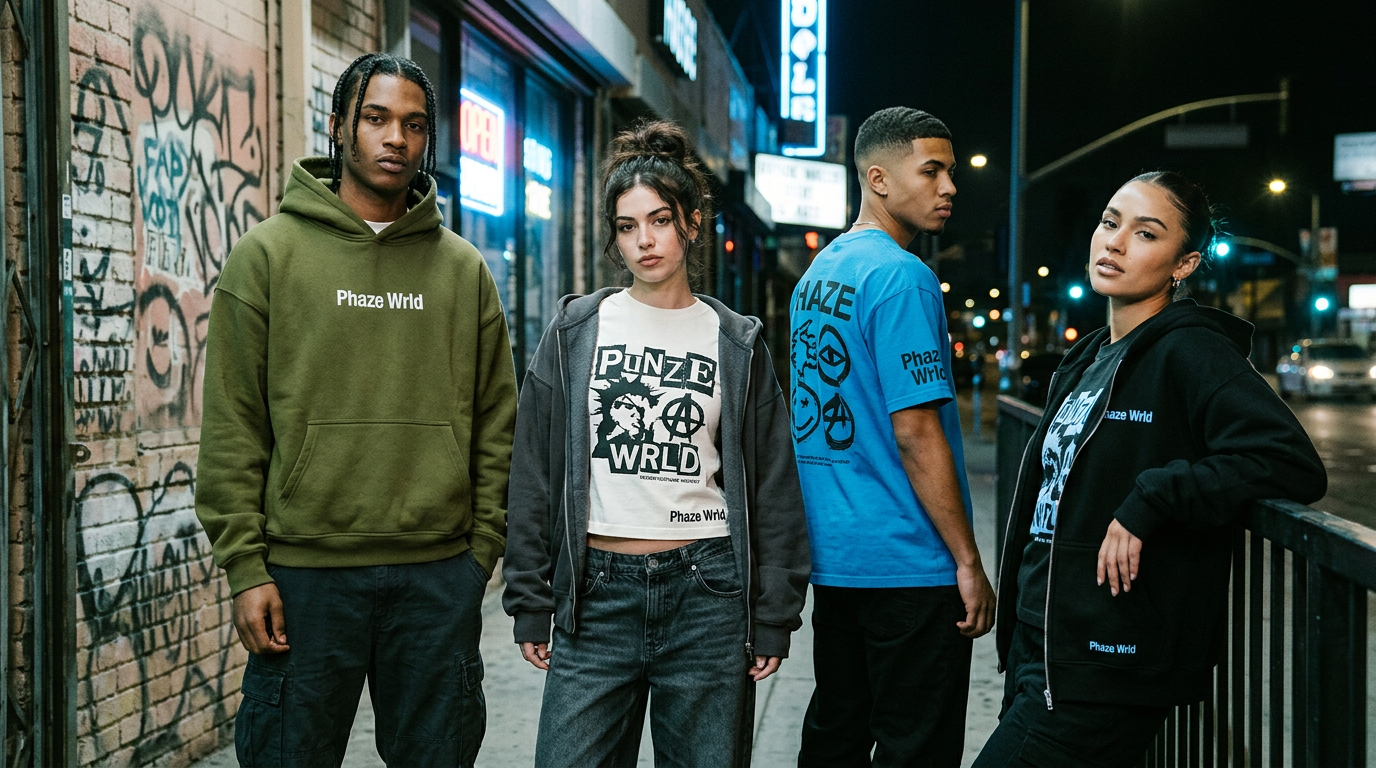
If the military gave the t-shirt its shape, various countercultures gave it its voice. In the 1960s and 70s, the graphic tee became the uniform of activists and protestors. Anti-war slogans and political messages were emblazoned across chests, turning everyday clothing into a political statement for passionate individuals. This era proved that fashion could be a powerful form of cultural expression, a way to wear your politics on your sleeve—literally.
The DIY ethos of the punk rock movement took this a step further. Punk kids weren't waiting for brands to tell them what to wear; they were creating their own custom designs, using the graphic tee to signal their subcultural identity. This raw, unfiltered approach to fashion laid the foundation for the streetwear culture we know today. It was about authenticity, rebellion, and making a statement that couldn't be ignored.
Hip-Hop and Punk's Impact on Streetwear Graphic Tees

You can't talk about the history of graphic tees without talking about music. The 1980s and 90s saw an explosion of band shirts and concert merch from legendary Bands, turning fans into walking advertisements for their favorite artists. But it was the hip-hop scene that truly elevated the graphic tee to an art form, with the O.G. trendsetters leading the charge. Hip-hop artists and crews used oversized fits and bold logos to project power and identity, creating a visual aesthetic that resonated far beyond the block.
This era also saw the rise of the graphic tee culture, where original art and appropriated images were used to tell stories and build community. The graphic tee became a canvas for street art and graffiti, blurring the lines between fine art and fashion. It was a time of design innovation, where the streets dictated the trends and the graphic tee was the ultimate symbol of urban culture.
Key Streetwear Brands That Defined the Graphic Tee Era
This article highlights how Stüssy and pioneered the graphic tee as a streetwear staple. Stüssy emerged in the early 1980s when Shawn Stüssy hand-printed his signature on surfboards and T-shirts, blending California surf culture with New York hip-hop aesthetics, while high-fashion houses like Yves Saint Laurent later paid attention to these movements. The brand’s interlocking ‘S’ logo became an early marker of underground credibility. Its stark red-and-white box logo, inspired by Barbara Kruger’s conceptual art, transformed the graphic tee into a minimalist statement. Both brands limited production runs and leveraged scarcity, turning tees into collectibles. Stüssy’s collaborations with artists and musicians embedded its shirts in subcultural movements, while ’s drops created weekly lines outside its Lafayette Street store. Their logos functioned less as advertisements and more as tribal identifiers—signaling belonging within skate, punk, or hip-hop communities. By rejecting traditional fashion cycles and embracing screen printing as both medium and message, these brands cemented the graphic tee’s role as wearable cultural commentary. Resale markets later amplified their impact, with vintage Stüssy pieces and box logo tees fetching hundreds or thousands of dollars. The graphic tee was no longer just clothing; it was archive, artifact, and attitude.
Skate Culture's Role in West Coast Streetwear Aesthetic
While hip-hop was dominating the East Coast, the West Coast was brewing its own revolution. Skate culture and surf culture embraced the graphic tee as a core component of their lifestyle, proving that this design concept could unite diverse groups. Skaters needed clothing that was durable, comfortable, and reflective of their anti-establishment attitude. The graphic tee delivered on all fronts, becoming a staple of the skatewear wardrobe and a foundational piece of West Coast street fashion.
Brands rooted in skate and surf culture began producing tees with provocative graphics and bold logos, capturing the irreverent spirit of the youth. This wasn't just about selling clothes; it was about building a community and a shared identity. The graphic tee became a badge of honor, a way to signal that you were part of the scene. This fusion of skate culture and graphic design was instrumental in shaping the modern streetwear fashion landscape.
When Did Graphic Tees Go Mainstream in Fashion?
Today, the graphic tee is a cornerstone of both casual streetwear and high-end fashion, serving as an aesthetic moderator between subcultures. What started in the underground has achieved mainstream recognition, tracing a rich History-&-Evolution with luxury brands collaborating with streetwear pioneers to create highly coveted, collectible pieces. The graphic tee is no longer just a cheap souvenir; it's a premium garment, often featuring intricate designs and high-quality materials.
Despite its commercialization, the graphic tee remains a powerful tool for self-expression. Whether you're rocking a vintage throwback or a fresh drop from Phaze Wrld, the graphic tee allows you to curate your identity and tell your story. It's a testament to the enduring power of wearable art and the undeniable influence of streetwear culture. The history of the graphic tee is still being written, and it's clear that this iconic garment isn't going anywhere.
From Flea Markets to Runways: The Commercial Evolution of Graphic Tees
The Evolution of Graphic T-shirts evolved from grassroots street commerce to global fashion commodities, forever changing the variety of tee designs on the market. In the 1970s and 1980s, vendors at flea markets and sidewalk stalls in cities like New York and Los Angeles sold hand-printed shirts featuring band logos, political slogans, and pop culture references. These DIY operations relied on rudimentary screen printing techniques and catered to local subcultures, including punk, hip-hop, and skate communities. Independent designers used graphic tees as a low-cost medium for self-expression and rebellion against mainstream fashion. By the 1990s, brands like FUBU began incorporating bold graphics into their collections, bridging streetwear aesthetics with mass retail. The 2000s saw luxury houses take notice: designers such as Marc Jacobs for Louis Vuitton and later Demna Gvasalia for recontextualized the graphic tee within high fashion. Collaborations between streetwear labels like luxury brands further blurred the lines between underground origins and elite commerce. Today, the graphic tee occupies dual spaces—simultaneously a staple of accessible street style and a canvas for avant-garde statements in couture collections.
Frequently asked questions
What is the history of graphic tees in streetwear?
How did graphic T-shirts evolve from military use and band merch into a cornerstone of streetwear culture?
When did graphic tees first become popular in hip-hop, skate, and punk subcultures?
Why are graphic tees considered the foundation of modern streetwear?
How did advances in screen printing and Plastisol ink change the history of graphic tees in fashion?
What role did counterculture movements of the 1960s and 1970s play in the rise of graphic tees?
How did punk bands and concert merchandise influence the evolution of graphic T-shirts in street fashion?
When did graphic tees transition from subculture symbols to mainstream streetwear staples?
How did hip-hop and skate culture in the 1980s and 1990s shape the design and messaging of streetwear graphic tees?
Why did luxury and high-end fashion labels start incorporating graphic tees into their collections in the 2000s?
How have graphic tees been used as tools for self-expression, political messaging, and storytelling in streetwear?
Can graphic tees still be considered streetwear if they are mass-produced by fast fashion brands?
Which brands make the best quality graphic tees for streetwear today?
Are vintage graphic tees from the 80s and 90s worth buying for an authentic streetwear look?
How can I style graphic tees in a modern streetwear outfit without looking dated?
Do graphic tees from rappers, bands, and artists hold their resale value in the streetwear market?
Should I invest in limited-edition or collaboration graphic tees if I’m building a streetwear collection?
Is there a difference between graphic tees designed for skate culture and those designed for hip-hop streetwear?
Where can I find affordable streetwear graphic tees that still have good print quality and fabric?
Where can I buy authentic vintage-inspired graphic tees that reflect the history of streetwear culture?
Discover more from Phaze Wrld
Hand-picked guides and drops, delivered occasionally.
Explore the collection